

An extended car warranty is worth it when a large, unexpected repair would seriously strain your budget and your car is near or past the end of its factory warranty. It is usually not worth it on a reliable, nearly new car, or if you could pay for a major repair from savings. The right answer depends on three things you can check: how reliable your car is, how expensive its repairs are, and what the contract actually promises to pay for.
This guide walks through the real costs, what independent research found, and the questions to ask before you sign, so you can decide for your own car rather than for an average one. If you already know you want to compare prices, you can request a free vehicle service contract quote and read the terms before you decide.
What an extended car warranty really is
Most products sold as an "extended car warranty" are not warranties at all. They are vehicle service contracts. The Federal Trade Commission draws the line clearly: a warranty comes with the vehicle and is included in its price, while a service contract is an optional agreement, sold by the manufacturer, a dealer or an independent company, in which the seller agrees to perform or pay for certain repairs listed in the contract (FTC, Auto Warranties and Auto Service Contracts).
That distinction matters because a service contract is only as good as its terms. An eligible repair may be paid for depending on the covered components, exclusions, deductible and maintenance requirements in your specific contract. It is also not insurance: car insurance pays for damage after an accident, theft or weather, while a service contract pays when a listed part fails on its own. A service contract never replaces the coverage your state requires, which you can check in our guide to car insurance requirements by state.
How much an extended car warranty costs
Prices vary widely by the car, its mileage and the level of protection. Based on more than 500 quotes collected across over 100 vehicles, ConsumerAffairs puts the typical total contract price at $2,000 to $4,000 for a three to five year term (ConsumerAffairs, updated March 2026).
| Plan level | What it generally includes | Typical cost per year | Typical total for 3 to 5 years |
|---|---|---|---|
| Powertrain | Engine, transmission and drivetrain | $600 to $750 | $1,800 to $2,500 |
| Mid-level | Major systems, fewer electronics | $1,000 to $1,500 | $2,500 to $3,500 |
| Bumper-to-bumper | Most mechanical and electrical systems | $1,000 and up | $3,000 to $5,000 or more |
The same research found that quotes for identical protection can differ by 50 percent or more between companies, and that luxury and European models often cost two to three times as much to protect as domestic cars. The first price you are offered is rarely the only one available.
What the research says about value
The best-known study on this question comes from Consumer Reports, which surveyed more than 8,000 readers about the extended warranties they had bought. Sixty-five percent said they spent significantly more on the contract than they got back in repairs. The average buyer paid about $1,000 and received about $700 in benefits, 42 percent never used the plan, and about one in five came out ahead (Consumer Reports survey).
The survey is older and focused on new-car contracts sold at dealerships, but its central lesson still holds: for an average car, the seller expects to collect more than it pays out. The same survey also showed the other side. Owners of less reliable models were far more likely to break even or come out ahead, while owners of the most dependable brands lost the most. An average hides a wide spread, and where you land depends largely on the car in your driveway.
Why the answer is different for every car
An extended car warranty is a trade: you pay a known amount now to avoid an unknown, possibly much larger amount later. Whether the trade makes sense depends on how likely a big repair is and how painful it would be.
How reliable is the car?
A young car with a strong reliability record may never need a major repair during the contract, which is exactly why so many plans in the Consumer Reports survey went unused. A model with a known history of transmission, electrical or engine problems changes the math, because the chance of a claim is simply higher. Look up the reliability ratings and common complaints for your exact model and year before you buy.
How old is it, and how many miles does it have?
Most expensive failures happen after the factory warranty ends, and they become more likely as mileage climbs. A plan bought for a car with 20,000 miles and three years of factory warranty left mostly overlaps protection you already have. The same plan on a car with 70,000 miles and no factory warranty left applies to the years when repairs are most likely.
How expensive are its repairs?
Modern cars are full of sensors, screens and complex electronics, and parts for luxury and European models cost far more than parts for mainstream ones. Typical out-of-pocket costs show the stakes: a transmission repair averages around $3,000 and an engine cylinder head job can reach $7,500, while an air conditioning compressor runs about $550. You can see common car repair costs part by part in our interactive guide.
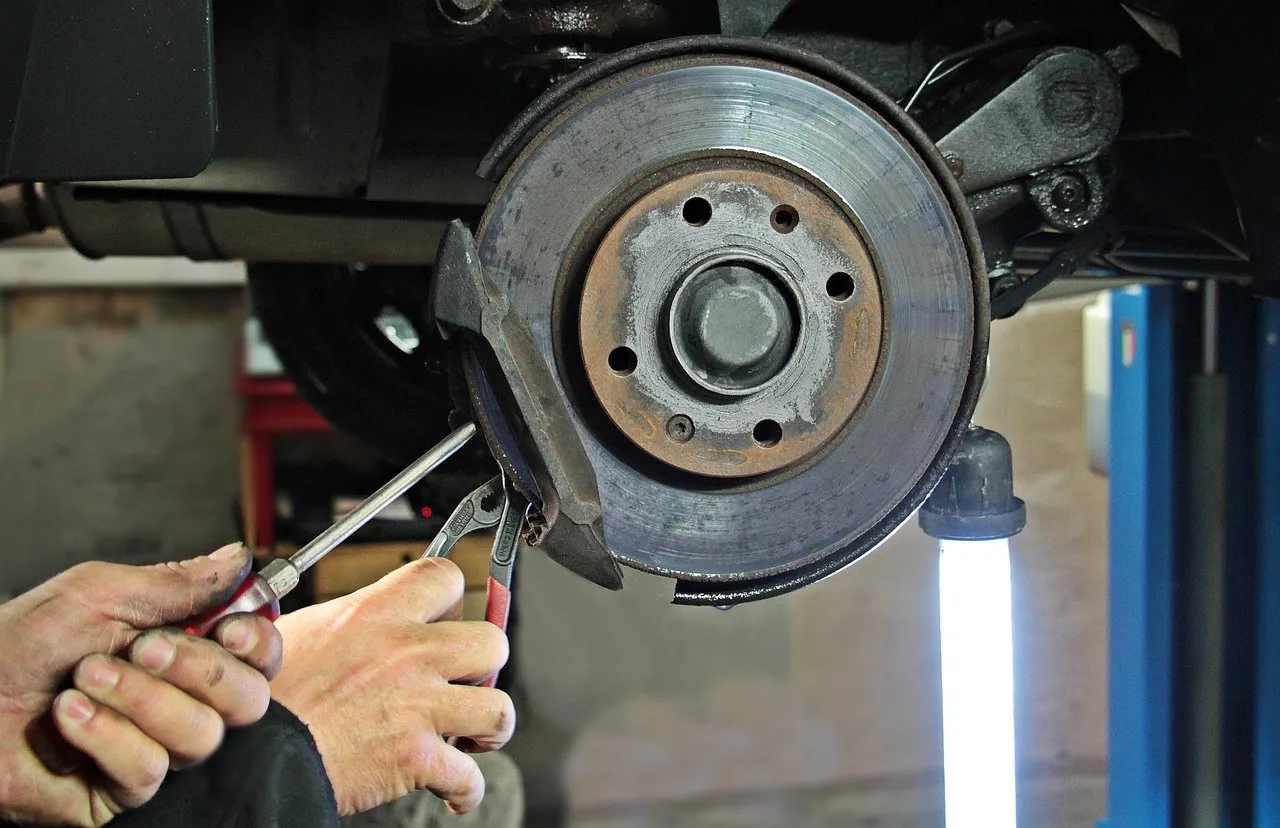
Brake, suspension and electrical repairs add up quickly on modern cars. Photo: NoName_13 on Pixabay.
When an extended car warranty makes sense
A service contract tends to earn its price when a single large repair would genuinely strain your finances. If an unexpected $3,000 or $4,000 bill would mean a high-interest credit card or going without a car, turning that risk into a fixed, predictable cost has real value even when the math is close on average.
It is also more likely to pay off in these situations:
- Your car is near or past the end of its factory warranty.
- Your model has a below-average reliability record.
- The car is full of costly technology, or it is a luxury or European model.
- You plan to keep it well beyond 100,000 miles, or you drive a lot of miles every year.
Not sure where your car falls? Get a free quote for your car and compare the price against the repair costs above.
When it is probably not worth it
An extended car warranty is usually a weaker deal on a reliable, nearly new car that still has years of factory warranty left, because you would be paying twice for the same protection. It is also hard to justify if you expect to sell or trade the car within a couple of years, unless the contract can be transferred or cancelled for a prorated refund.
If you have a healthy emergency fund and could absorb a large repair without stress, you may be better off following Consumer Reports' suggestion and putting the money you would have spent on a contract into a savings account. If the car never needs a major repair, that money stays yours. The catch is discipline: the fund only works if it is still there when the transmission fails.
Is an extended warranty worth it on a new car or a used car?
On a new car, there is rarely a reason to buy a service contract on the day you drive off the lot. The factory warranty already protects you, and dealers often present contracts during financing, when it is easy to roll a few thousand dollars into the loan without noticing. Consumer Reports advises shopping for protection about six months before the factory warranty runs out instead.
On a used car, the picture is often different. Many used cars have little or no factory warranty left, they are already in the mileage range where repairs become common, and their history is not always fully known. A well-chosen service contract is more useful here, provided the car passes an inspection first. Many plans require the vehicle to be in good working order at the start and will not pay for problems that already existed.
What to check before you sign
The FTC recommends that you never agree to a service contract you have not read in full (FTC). These are the details that decide whether a plan is good value:
- Who stands behind it. The manufacturer, the dealer or an independent company. Check its reputation and complaint history, because a contract is only as good as the company's willingness to pay claims.
- What is included and excluded. A plan called "comprehensive" may still leave out wear items, electronics or specific parts. The component list matters more than the plan's name.
- The deductible. Find out whether it applies per visit or per repair. A $100 deductible per repair adds up when one visit involves several parts.
- Where repairs can be done. Some contracts let you use any licensed shop, often including ASE-certified independent mechanics. Others send you back to the dealer.
- Maintenance requirements. Keep your service records. A missing oil change receipt is a common reason claims are disputed.
- Cancellation and transfer. Ask whether you can cancel for a prorated refund and transfer the contract if you sell the car.
You can learn more in our vehicle service contract FAQ, which covers what these plans typically include and how they differ from car insurance.
How to avoid overpaying and scams
Because prices for the same protection vary so widely, getting more than one quote is the easiest way to save money. Dealer contracts in particular often carry a large markup: Consumer Reports found that dealers collected around $800 on an average extended warranty sale, a strong sign there is room to negotiate. You are never required to buy a service contract to buy or finance a car, so you can say no at the dealership and shop later.
Be wary of unsolicited calls, texts and letters warning that your car's warranty is about to expire. The FTC notes that the companies behind these messages often give the impression they represent your dealer or manufacturer when they do not. A legitimate company will let you read the full contract before you pay, will not demand an immediate decision, and will not ask for payment details before you have seen the terms.
How to decide if an extended car warranty is worth it for you
Work through these steps in order:
- Check your factory warranty. Find out exactly when it ends, by date and by mileage.
- Look up your car's reliability. Check ratings and common problems for your model and year.
- Estimate the stakes. Look at typical repair costs for your car's major systems.
- Be honest about your budget. Could you pay a $3,000 repair next month without hardship?
- Compare at least two quotes and read the full contract, including exclusions, deductible and cancellation terms.
If your car is past or near the end of its factory warranty and a big repair would hurt, a well-chosen service contract from a reputable company can turn an unpredictable risk into a fixed cost. If your car is new and dependable, or you could cover a major repair from savings, you are likely better off keeping the money. Either way, real numbers make the decision easier: request a free vehicle service contract quote for your car, or see how a Vertex AutoCare plan works.
Frequently asked questions
Is an extended car warranty the same as car insurance?
No. Car insurance pays for damage and injuries after an accident, theft or weather, and most states require it. An extended car warranty, more accurately called a vehicle service contract, is optional and may pay for eligible repairs when a listed part breaks down, depending on the contract's terms.
Can I buy an extended car warranty after I buy the car?
Yes. You do not have to buy one at the dealership. You can usually buy a vehicle service contract later, and Consumer Reports suggests shopping about six months before your factory warranty ends. Eligibility can depend on the car's age, mileage and condition.
Is an extended warranty worth it on a high-mileage car?
It can be, because repairs become more likely as mileage climbs. Check the plan's mileage limits and exclusions carefully, and make sure the car is in good working order, since most plans will not pay for problems that existed before the contract started.
Can I cancel an extended car warranty?
Many service contracts allow cancellation, often with a prorated refund minus a fee, but the rules vary by contract and provider. Ask about cancellation terms before you buy and get them in writing.
Are calls about my car's extended warranty legitimate?
Be cautious. The FTC warns that companies behind unsolicited warranty calls, texts and letters often imply they represent your dealer or manufacturer when they do not. Never pay or share personal details before you have read the full contract from a company you have checked.
Cover photo: delphinmedia on Pixabay. Prices and research figures are cited from the sources linked above; contract terms vary, so always read the specific contract before you buy.