
A powertrain warranty covers the parts that make your car move: the engine, the transmission and the drive system that sends power to the wheels. On most new cars it lasts 5 years or 60,000 miles, whichever comes first, while Hyundai, Kia, Genesis and Mitsubishi give the original owner 10 years or 100,000 miles. It does not cover brakes, air conditioning, most electronics or parts that wear out with normal use.
This guide explains exactly which parts a powertrain warranty includes, what it leaves out, how long it lasts by brand, what powertrain repairs cost without one, and your options once it ends. If your factory coverage is already running out, you can request a free quote for a powertrain plan and our team will contact you with prices for your car.
What does a powertrain warranty cover?
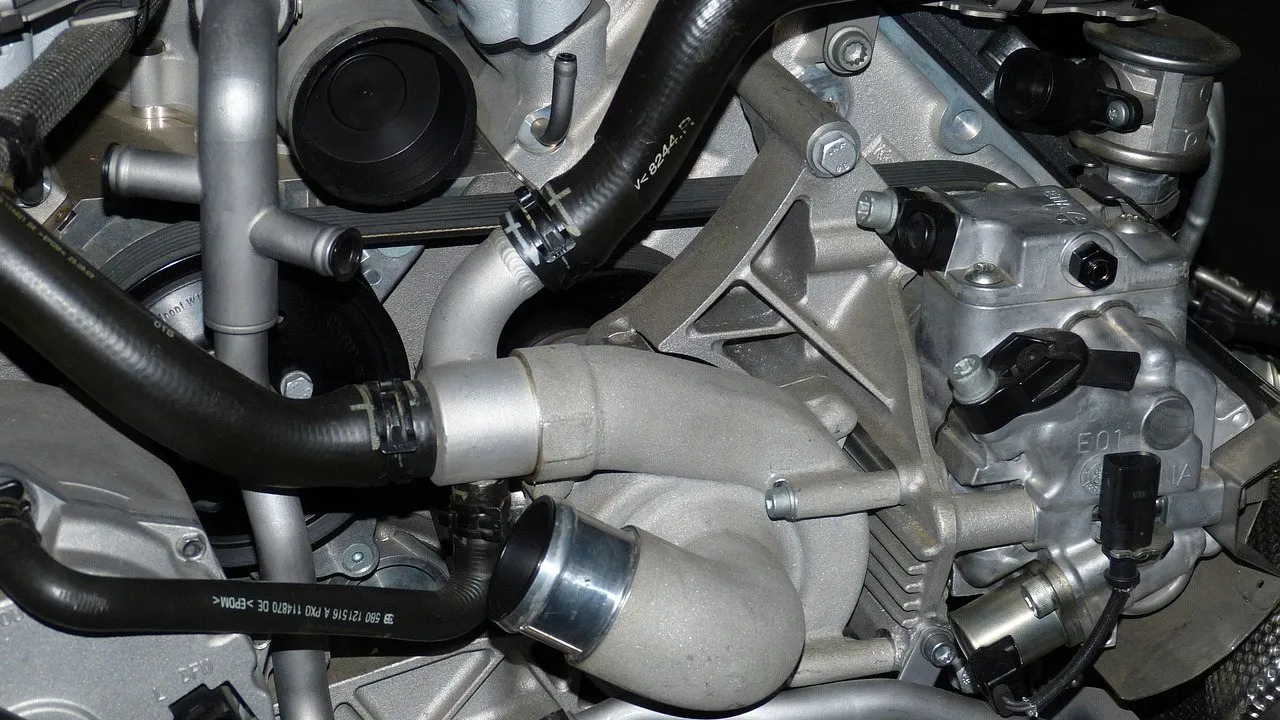
The powertrain is everything that creates power and delivers it to the wheels. A powertrain warranty pays to repair or replace those parts when they fail because of a defect in materials or workmanship. Manufacturers group the covered parts into three systems.
| System | Parts usually included |
|---|---|
| Engine | Engine block, cylinder heads, internal lubricated parts such as pistons, crankshaft and camshafts, timing gears and chain, oil pump, intake and exhaust manifolds, and their seals and gaskets |
| Transmission or transaxle | Transmission case, internal parts, torque converter, transmission mounts, seals and gaskets |
| Drive system | Driveshaft (propeller shaft), universal and constant-velocity joints, axle shafts, differential, wheel bearings on some plans, and the transfer case on four-wheel-drive and all-wheel-drive vehicles |
The exact list depends on the carmaker and model year. Ford, for example, publishes the powertrain parts it covers, and every manufacturer prints its list in the warranty booklet that comes with the car. That booklet, not a general guide, decides what your warranty pays for.
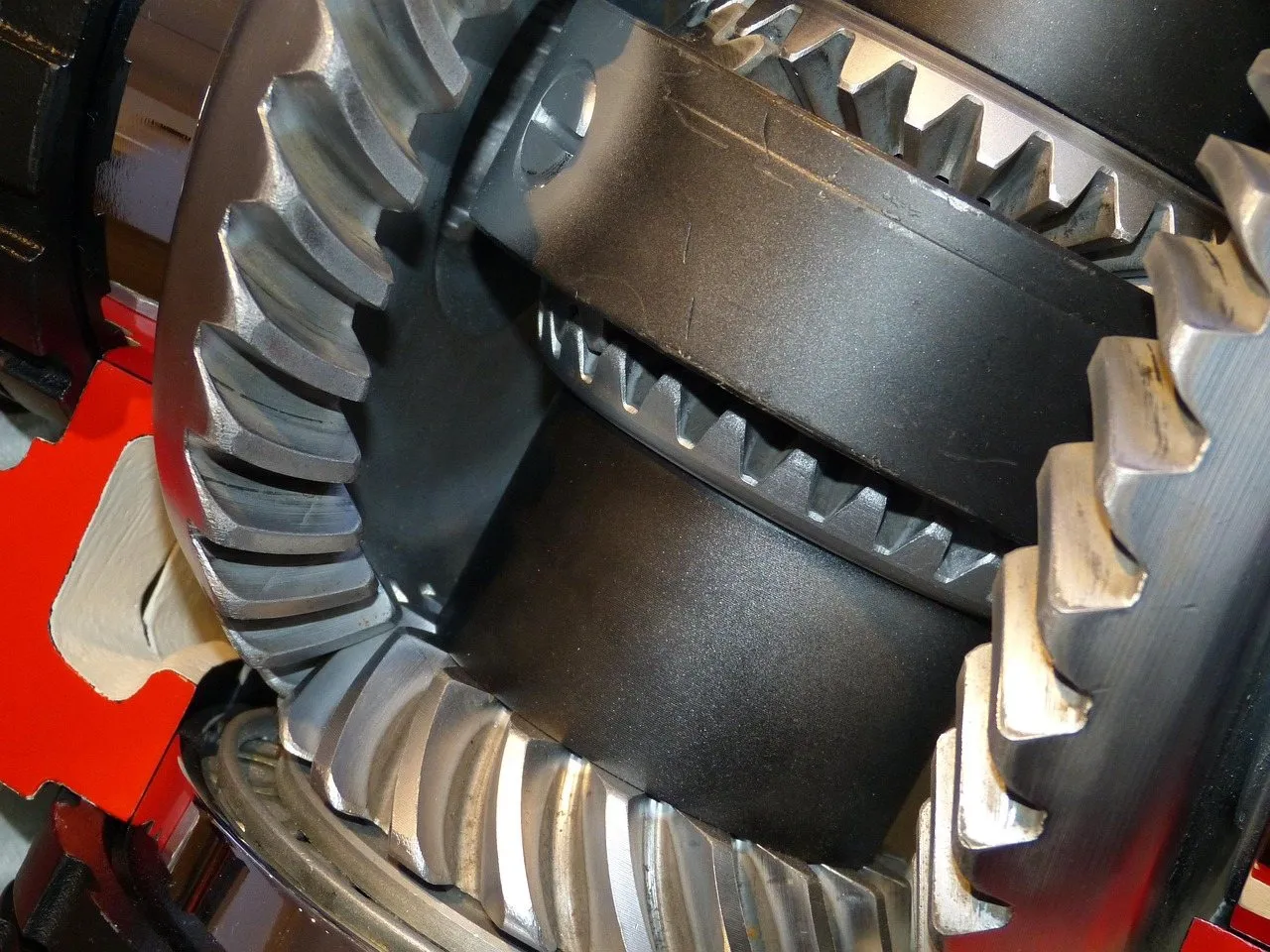
The differential is part of the drive system, which most powertrain warranties include. Photo: falco on Pixabay.
Does a powertrain warranty cover the engine?
Yes. The engine is the core of every powertrain warranty, especially its internal lubricated parts, the ones that sit inside the sealed engine and move in oil. A failed crankshaft, a broken timing chain or a cracked engine block is the kind of repair it is built for.
Parts bolted to the outside of the engine are a different story. Sensors, ignition coils, belts, hoses and the starter are often excluded or covered only under the shorter bumper-to-bumper warranty. Engine damage caused by running low on oil, overheating after a coolant leak was ignored, or skipped oil changes is not a defect, so it is usually not covered either.
Does a powertrain warranty cover the transmission?
Yes. Automatic and manual transmissions, including continuously variable transmissions (CVTs), are part of the powertrain, along with their internal parts and the torque converter. Wear items connected to the transmission, such as the clutch disc on a manual car, are commonly excluded because they wear out with normal driving.
What a powertrain warranty doesn't cover
A powertrain warranty is narrow by design. It leaves out most of the systems that break more often as a car ages:
- Brakes, suspension and steering, including struts, shocks and the power steering system
- Air conditioning and heating, such as the A/C compressor
- Electrical and electronic parts, from the alternator and power windows to the infotainment screen and driver-assistance sensors
- Wear items like brake pads, tires, wiper blades, batteries, belts and hoses
- Routine maintenance such as oil changes, filters and fluid services
- Damage from accidents, weather, misuse, racing, lack of maintenance or some aftermarket modifications
That gap matters because many common repair bills fall outside it. An A/C compressor, an alternator or a set of suspension struts can each cost hundreds to more than a thousand dollars, as our guide to common car repair costs shows, and none of them is a powertrain part.
How long does a powertrain warranty last?
Factory powertrain warranties are measured in years and miles, and coverage ends at whichever limit you reach first. For 2026 models, most brands fall into one of two groups.
| Brand | Powertrain warranty | Bumper-to-bumper (basic) warranty |
|---|---|---|
| Hyundai, Kia, Genesis, Mitsubishi | 10 years / 100,000 miles (original owner) | 5 years / 60,000 miles |
| Ford, Chevrolet, Toyota, Honda | 5 years / 60,000 miles | 3 years / 36,000 miles |
Sources: Hyundai 2026 Owner's Handbook and Warranty Information, Toyota, Honda and Chevrolet. Terms change by model year and some models, such as hybrids and electric vehicles, have separate coverage for their batteries and drive systems, so check the booklet for your exact vehicle.
Does a powertrain warranty transfer when you sell the car?
Partly, and this catches many used-car buyers out. Hyundai's handbook states that its 10-year/100,000-mile powertrain warranty is not transferable: later owners get powertrain coverage for 5 years or 60,000 miles from the date the car was first sold. Kia's longer coverage works the same way. If you buy a used car advertised with a "10-year warranty," confirm what is left for you as the second owner.
Most 5-year/60,000-mile factory warranties stay with the car when it changes hands, but a used car may have little coverage left. A five-year-old car with 60,000 miles on the clock has usually reached the end of it already.
Powertrain warranty vs bumper-to-bumper warranty
A new car normally comes with both. The bumper-to-bumper warranty (also called the basic or new vehicle limited warranty) covers almost everything on the car except wear items and maintenance, but it is the shorter of the two. The powertrain warranty covers fewer parts for longer.
In practice, once the bumper-to-bumper warranty ends, often at 3 years or 36,000 miles, only the powertrain remains protected. From then on, a failed A/C compressor or power window motor is your bill, even though the engine and transmission are still covered.
What powertrain repairs cost without a warranty
Powertrain parts fail less often than brakes or batteries, but when they do, the bill is large. A transmission repair averages about $3,000, and an engine cylinder head job can reach around $7,500, according to the figures in our repair cost guide. A full engine or transmission replacement can cost more, depending on the vehicle and the shop.
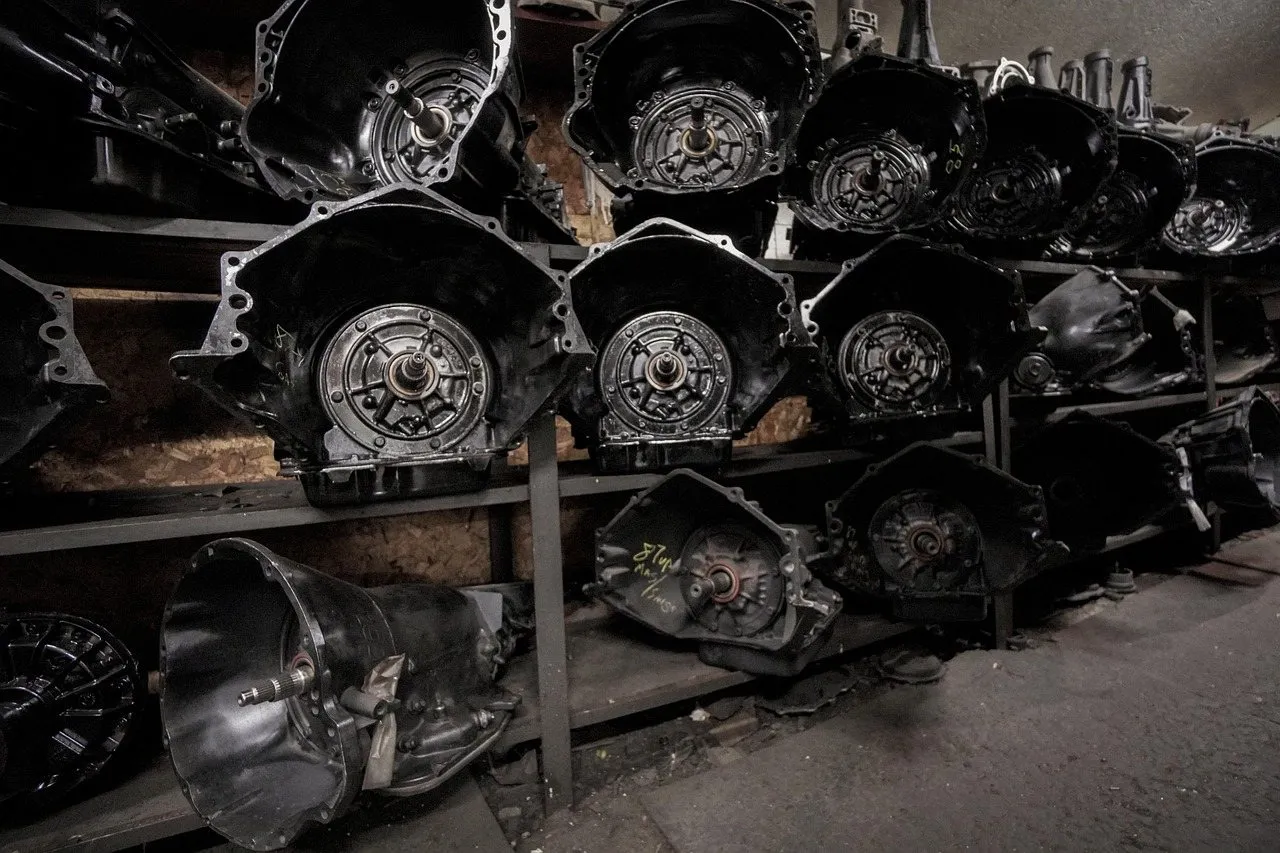
A transmission is one of the most expensive parts to repair or replace, and one of the main reasons drivers look for powertrain protection. Photo: DokaRyan on Pixabay.
Those numbers explain why the powertrain is usually the first thing drivers want protected after the factory warranty ends. Whether paying for protection makes sense depends on your car and your savings, which we work through in are extended car warranties worth it?
Lifetime powertrain warranties: what to check
Some dealerships advertise a "lifetime powertrain warranty" on the cars they sell. These programs are usually offered by the dealer or a third party, not the carmaker, and they come with conditions. Common ones include having all scheduled maintenance done at that dealership, keeping every receipt, and paying a deductible per repair. Missing a single service can void the coverage.
Before you count on one, ask for the written terms and check who pays the claims, which parts are covered, whether there is a deductible and what maintenance you must prove. A lifetime promise is only as good as the conditions attached to it.
What happens when your powertrain warranty ends?
When the factory powertrain warranty expires, engine and transmission repairs become your responsibility. You have three realistic options.
- Pay as you go. Keep up with maintenance and set money aside for repairs. This works if you have savings that could absorb a $3,000 or larger bill.
- Buy a powertrain-level plan. A vehicle service contract that covers the engine, transmission and drive system continues the protection you had. Repairs to listed parts may be covered depending on the contract's terms, exclusions and deductible.
- Choose broader protection. Mid-level and complete plans add systems a powertrain warranty never covered, such as air conditioning, brakes, steering and electrical parts.
A powertrain-only plan is usually the lowest-cost choice and often suits older or higher-mileage cars, where it may also be the only level available. Newer cars with more electronics often benefit from broader coverage. Our extended car warranty guide compares the plan levels side by side, including estimated prices.
Want to know what powertrain protection would cost for your car? Request a free quote from Vertex AutoCare and our team will contact you with plan options and prices. Every plan comes with a 30-day money-back guarantee.
Buying before your warranty ends
You can buy a vehicle service contract at any time, but timing helps. Before the factory warranty runs out, your car is younger and has fewer miles, so more plan levels are usually available and the price is often lower. If your car is nearing 5 years or 60,000 miles, that is a good moment to compare options. Our guide to extended warranties for used cars covers what to check if you are buying for a car you already own or just bought.
How to use a powertrain warranty
Whether you have factory coverage or a service contract, the claims process follows the same basic steps:
- Act on warning signs early. Slipping gears, knocking noises, fluid leaks or a flashing check engine light should be checked right away. Driving on a problem can turn a covered repair into damage that isn't covered.
- Go to an approved repair facility. Factory warranty work is done at a franchised dealer. A service contract lists which shops you can use.
- Have the problem diagnosed and approved. The shop confirms the cause, and the warranty provider or contract administrator approves the repair before work starts.
- Show your maintenance records. Oil change and service receipts prove the failure wasn't caused by neglect.
- Pay any deductible. Factory powertrain repairs usually have none; service contracts often do.
Frequently asked questions
Is a powertrain warranty worth it?
A factory powertrain warranty comes with a new car at no extra cost, so the question really applies to buying protection after it ends. That depends on your car's age, reliability and repair costs, and on whether you could pay a large repair bill from savings. For many drivers, the risk of a $3,000 to $7,500 engine or transmission repair is what makes powertrain protection worth considering.
What is the difference between a powertrain and a drivetrain warranty?
The drivetrain is everything after the engine that delivers power to the wheels: the transmission, driveshaft, axles and differential. The powertrain is the drivetrain plus the engine. A drivetrain warranty can therefore exclude the engine, so check the terms when you see the word.
Does a powertrain warranty cover the check engine light?
Only if the light is caused by a failed powertrain part. Many check engine lights come from sensors, ignition coils or emissions parts that a powertrain warranty doesn't include. The warranty pays for the repair when the diagnosis shows a covered part failed.
How many miles does a powertrain warranty cover?
For most new cars, 60,000 miles or 5 years, whichever comes first. Hyundai, Kia, Genesis and Mitsubishi cover 100,000 miles or 10 years for the original owner.
Can I extend my powertrain warranty?
Yes. Many carmakers sell extended plans through their dealers, and independent companies offer vehicle service contracts that cover the powertrain after the factory warranty ends. Options are widest before the original warranty expires.
This guide gives general information about powertrain warranties as of October 2026. Warranty terms vary by manufacturer, model and model year, and service contract coverage depends on the specific contract, its covered parts, exclusions and deductible. A vehicle service contract is not insurance. Cover photo: falco on Pixabay.