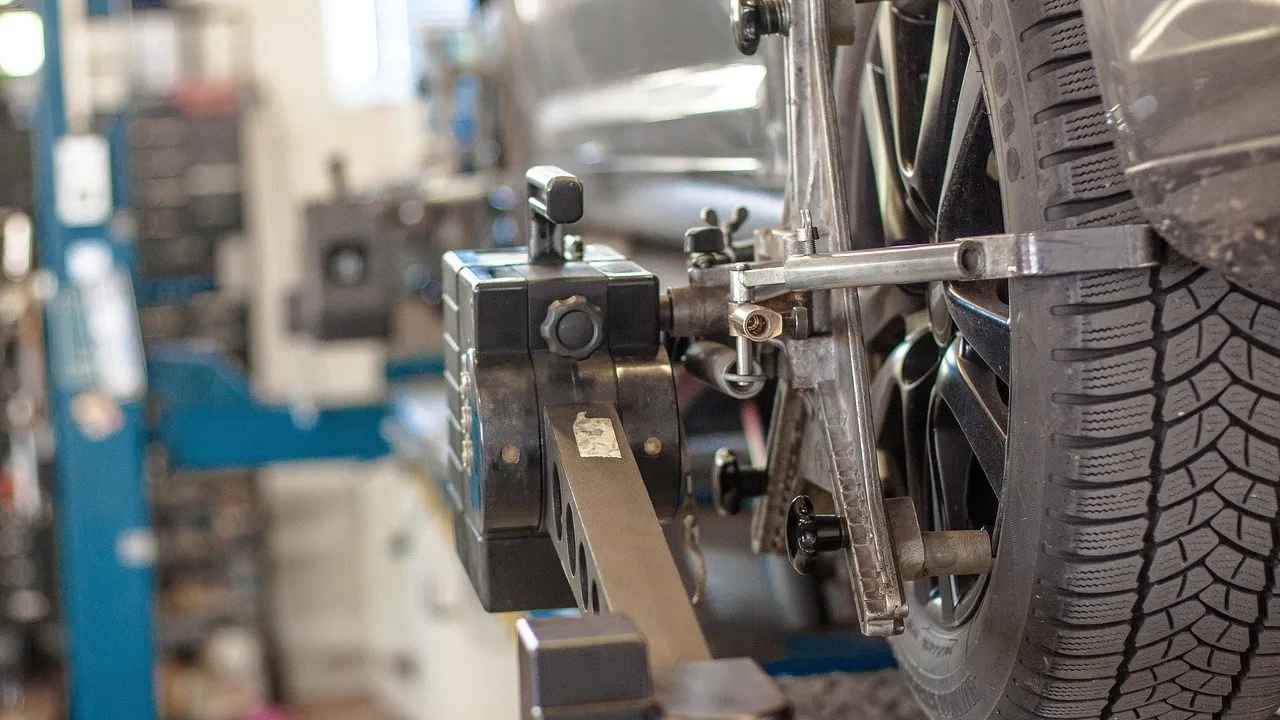


An extended warranty for a used car is often worth considering, because most used cars have little or no factory warranty left and are entering the years when expensive repairs become more likely. Whether it is worth it for your car depends on its age, mileage and reliability record, what protection it already comes with, and whether a large repair bill would strain your budget. This guide explains what warranty a used car may already have, what an extended plan costs, where to buy one, and what to check before you sign.
If you have a car in mind and want real numbers, you can get a free used car service contract quote and compare it with what you learn below.
Do used cars come with a warranty?
Some do and some do not, and knowing which situation you are in is the first step. Before you pay for extra protection, find out what the car already has.
Any remaining factory warranty
A newer used car may still be within the manufacturer's original warranty, which usually transfers to the next owner. The FTC suggests asking the dealer for the warranty documents and confirming what is included, when it expires by date and mileage, and what paperwork you need, by calling the dealership with the car's VIN (FTC, Buying a Used Car From a Dealer). If several years of factory protection remain, you may not need anything extra yet.
Dealer warranties and the Buyers Guide
Federal rules require dealers to display a Buyers Guide on every used car they offer for sale. It tells you whether the car is sold "As Is - No Dealer Warranty" or with a dealer warranty, and what percentage of repair costs the dealer will pay under that warranty. If the "As Is" box is checked, the dealer will not pay for problems after the sale, so any promise a salesperson makes should be written on the Guide. Most dealer warranties on used cars are limited and cover only certain systems, for a short time.
Implied warranties
Even without a written warranty, a used car bought from a dealer is usually covered by implied warranties unless it is sold "as is." The most common is the warranty of merchantability, an unwritten promise that the car will do what a car is supposed to do. According to the FTC, implied warranty protection can last as long as four years, but the length varies by state, and so do the disclosure rules for "as is" sales. Your state attorney general's office can tell you what applies where you live.
Certified pre-owned programs
Certified pre-owned (CPO) cars are late-model used cars that pass a dealer or manufacturer inspection and come with an extra limited warranty. The details vary widely between programs, so read exactly what the CPO warranty includes and when it ends. The FTC still recommends an independent inspection, even for a car that has been certified and inspected by the dealer.
What an extended warranty for a used car actually is
Despite the name, most extended warranties are vehicle service contracts. The FTC is clear on this point: a service contract is a promise to perform or pay for certain repairs, and although it is often called an extended warranty, it is not a warranty. You can buy one at any time, from car manufacturers, dealers or independent companies, and prices and terms vary widely.
It is also not car insurance. Insurance pays when your car is damaged in an accident or by theft or weather; a service contract may pay for an eligible repair when a listed part fails, depending on the contract's covered components, exclusions and deductible. We explain that difference in detail in does car insurance cover repairs?
Is an extended warranty worth it on a used car?
For many used cars, the case is stronger than for new ones. A new car spends its first years under factory warranty, so an extended plan mostly overlaps protection you already have. A used car past its factory warranty is often already in the mileage range where transmissions, air conditioning systems and electronics start to fail, and those repairs are expensive: a transmission repair averages around $3,000, and you can see common car repair costs for other major parts.
A plan is more likely to pay off when these things are true:
- The factory warranty has ended or ends soon.
- The model has a mixed or poor reliability record.
- The car has higher mileage, or you drive many miles a year.
- An unexpected repair of a few thousand dollars would be hard to pay.
- You plan to keep the car for several more years.
It is less likely to be worth it on a very reliable model that still has factory warranty left, or if you could comfortably pay for a major repair from savings. For a deeper look at the overall math, including what research has found about how often these plans pay out, see our guide to whether extended car warranties are worth it.
How much an extended warranty costs for a used car
Price depends mostly on the car's age, mileage, make and model, and the level of protection. Across all vehicles, ConsumerAffairs reports typical annual costs of about $600 to $750 for a powertrain plan and $1,000 to $1,500 for a mid-level plan (ConsumerAffairs, updated March 2026).
Older, high-mileage cars cost more to protect because they are more likely to need repairs. In the same research, sample quotes for powertrain protection on 2013 to 2015 vehicles with 125,000 to 150,000 miles ranged from about $850 to $2,129 per year, with the European luxury model at the top of the range. Quotes for the same protection can vary by 50 percent or more between companies, which makes comparing at least two quotes worthwhile.
| Factor | How it affects the price |
|---|---|
| Mileage | Higher mileage usually means a higher price and fewer plan options |
| Vehicle age | Older cars cost more to protect, and some plans set age limits |
| Make and model | Luxury and European models typically cost much more |
| Plan level | Powertrain plans cost less than plans that include most systems |
| Deductible | A higher deductible usually lowers the price |
| Term | Longer terms cost more in total but may cost less per year |
Want to know what protection would cost for the used car you are considering? Request a free quote with the year, make, model and mileage.
Buying from the dealer or buying later
You do not have to buy a service contract when you buy the car. Both options have real advantages, so it helps to understand them before you are sitting in the finance office.
Buying at the dealership
Buying from the dealer is convenient, and it comes with one legal advantage few buyers know about. According to the FTC, if you buy a service contract from the dealer within 90 days of buying a used car, the dealer cannot remove implied warranties on the systems the contract covers. Even on a car sold "as is," a service contract covering the engine automatically gives you implied warranties on the engine, which can protect you beyond the contract itself.
The downsides are price and pressure. Dealer contracts often carry a large markup, and adding one to your auto loan means paying interest on it for years. The FTC also warns that add-ons are often presented at the end of a long day at the dealership, and that you can usually buy the car without them. If you want the dealer's contract, ask for the price in writing and negotiate it like any other part of the deal.
Buying later from another provider
Buying after the sale gives you time to inspect the car, read sample contracts and compare quotes without pressure. Independent providers often offer plans for older and higher-mileage cars, and you can pay the price directly instead of financing it. Many contracts bought after the sale include a short waiting period before you can file a claim, so check that date if you are buying because the factory warranty is about to end.
Age, mileage and pre-existing problems
Eligibility is where used car buyers most often run into surprises. Many plans set limits on a car's age or mileage, and the options narrow as the odometer climbs. If your car is close to a provider's limit, it may be worth getting a quote sooner rather than later.
Almost every service contract also excludes pre-existing conditions, meaning problems that existed before the contract started. Some providers inspect the car or review its records before approving a claim. This is one more reason to have an independent mechanic inspect a used car before you buy it and before you buy a contract: you want to know about a leaking transmission before you rely on a plan that will not pay for it.
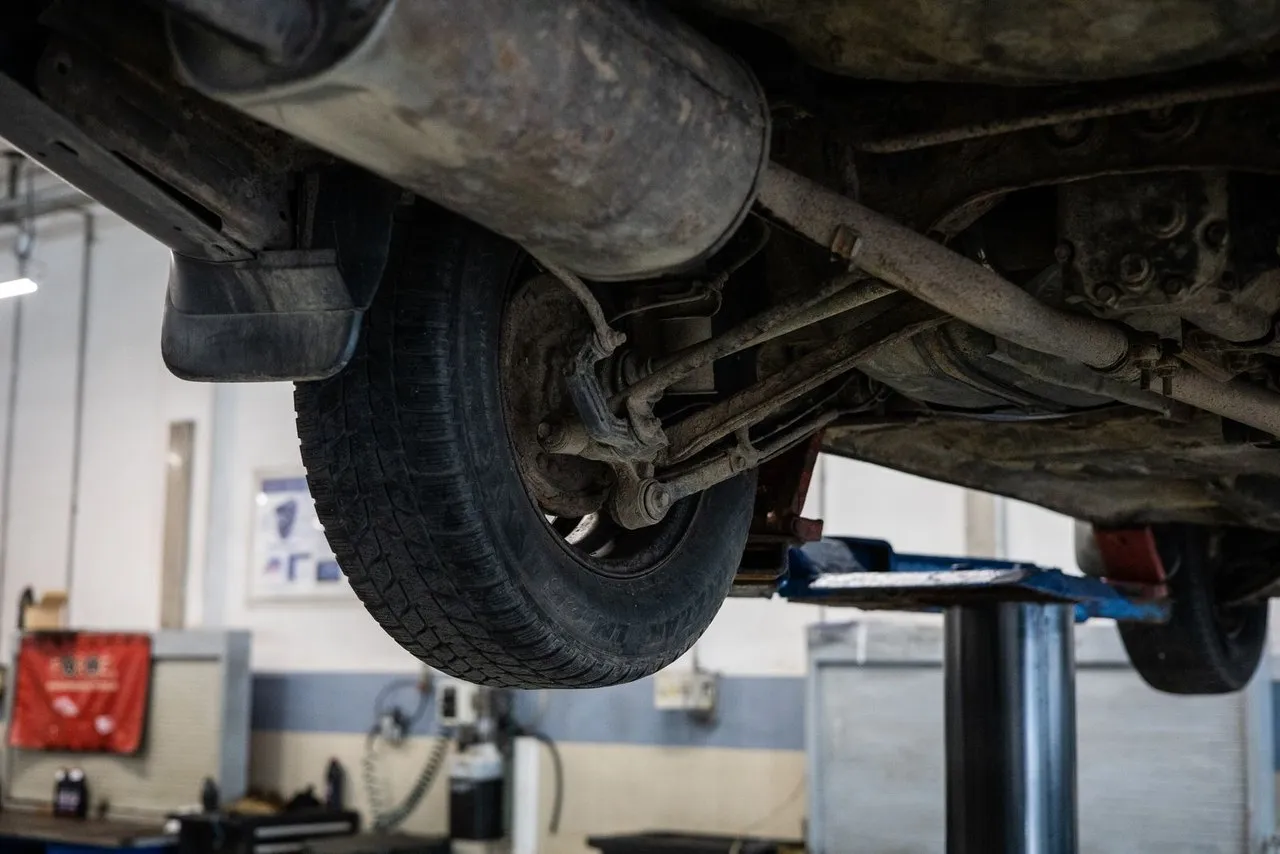
An independent inspection can reveal leaks and worn parts that a service contract would exclude as pre-existing. Photo: Artem Podrez on Pexels.
What to check before you sign
The FTC lists the questions worth asking before you buy a service contract for a used car. In plain terms, check these points in the actual contract, not in the brochure:
- Overlap with existing protection. Does it duplicate a factory, CPO or dealer warranty, and does it start only after that ends?
- Components and exclusions. Which parts and systems are listed, and does "bumper to bumper" really mean what you think?
- Deductible. How much is it, and does it apply per visit or per repair?
- Extras. Does it include towing or a rental car while your car is in the shop?
- Where repairs happen. Can you use any licensed repair facility, or only the dealer?
- Cancellation and transfer. Can you cancel for a refund, are there fees, and can the contract move to the next owner if you sell?
- Who stands behind it. Is the company reputable, and is the dealer selling its own contract or a third-party one?
Our vehicle service contract FAQ covers more of the basics, including what plans typically include.
How to buy an extended warranty for a used car
- Read the Buyers Guide on the car and note whether it is sold "as is" or with a dealer warranty.
- Check for remaining factory or CPO warranty using the VIN and the warranty documents.
- Get an independent inspection and a written estimate for any repairs it finds.
- Look up the model's reliability and typical repair costs for its major systems.
- Get at least two quotes, including one from outside the dealership, and ask for sample contracts.
- Compare the full terms, not just the price: components, exclusions, deductible, waiting period, cancellation and transfer.
- Keep your maintenance records once you buy, because providers commonly ask for them when you file a claim.
The bottom line for used car buyers
A used car with no factory warranty left is exactly the situation where a well-chosen service contract can make sense, especially for a model with a mixed reliability record or a budget that could not absorb a $3,000 repair. The key is to know what protection the car already has, have it inspected, and compare complete contracts rather than monthly prices. Remember that car insurance will not pay for mechanical breakdowns, and every state still requires you to insure the car you buy, so check your state's rules in our car insurance requirements by state.
When you are ready to see options for your car, request a free vehicle service contract quote. You will get the price and the contract terms to review before you decide.
Frequently asked questions
Can you buy an extended warranty on a used car after you buy it?
Yes. The FTC notes that you can buy a service contract at any time, not only at the dealership. Eligibility depends on the car's age, mileage and condition, and many contracts bought later include a short waiting period before claims are accepted.
Is a dealer's extended warranty on a used car negotiable?
Usually, yes. Dealer service contracts often include a significant markup, so ask for the price in writing, compare it with an outside quote, and negotiate. You can also decline it and still buy the car.
Does an extended warranty cover problems the car already had?
Generally, no. Service contracts typically exclude pre-existing conditions. An independent inspection before you buy helps you find existing problems and avoid relying on a plan that will not pay for them.
What does "As Is - No Dealer Warranty" mean?
It means the dealer will not pay for any problems or repairs after the sale; you take on the risk. The box must be checked on the Buyers Guide when a car is sold this way. Rules for "as is" sales vary by state, so your state attorney general's office can tell you what applies.
Can I cancel an extended warranty on a used car?
Many service contracts can be cancelled, often with a prorated refund minus a fee, but terms vary by contract. Check the cancellation policy and any fees before you buy, and get them in writing.
This guide gives general information for US car buyers. Warranty rules and "as is" protections vary by state, and service contract terms vary by provider, so always read the specific contract before you buy. Cover photo: Luke Miller on Pexels.