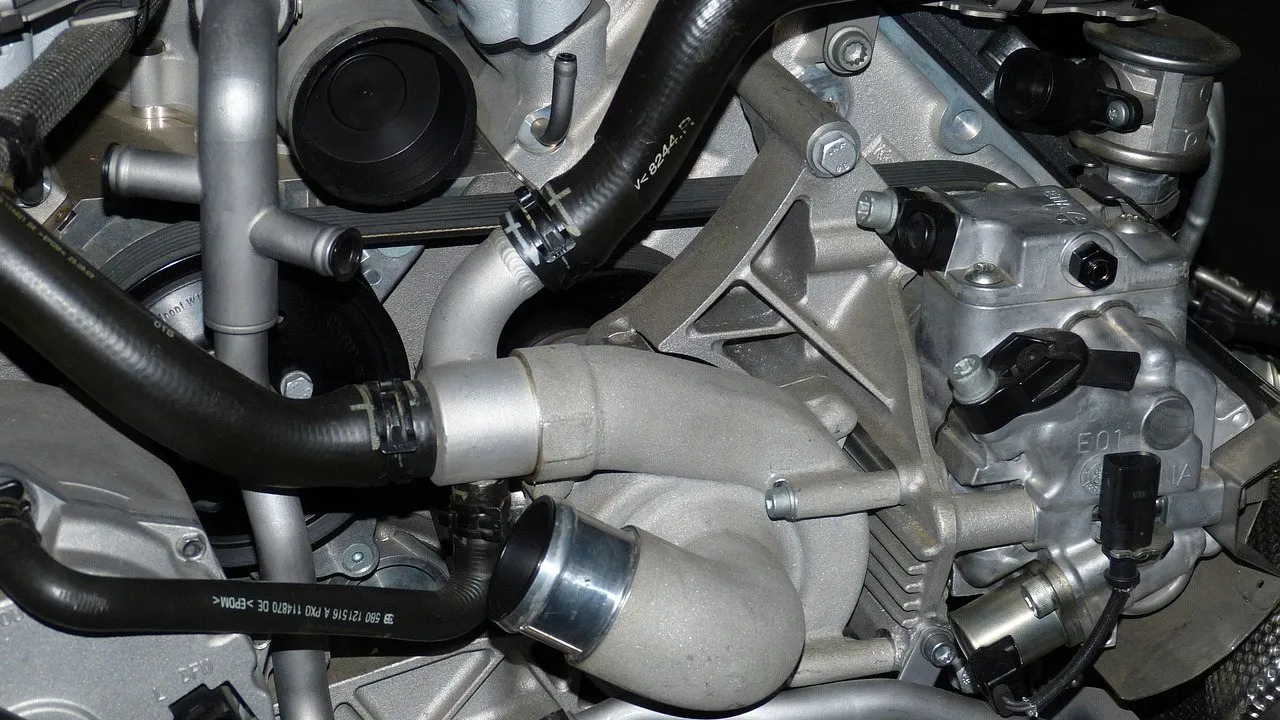

A bumper-to-bumper warranty is the manufacturer's most complete new-car warranty: it pays to fix almost any part that fails because of a defect, from the infotainment screen and air conditioning to power windows and steering. It usually lasts 3 years or 36,000 miles, or 4 to 5 years on some brands, whichever comes first. Despite the name, it doesn't cover your bumpers if you hit something, and it never covers maintenance or parts that wear out.
This guide explains what a bumper-to-bumper warranty includes and excludes, how long it lasts by brand, how it differs from a powertrain warranty, and what to do when it runs out. If yours is about to end, you can request a free quote and our team will contact you with plan options for your car.
What is a bumper-to-bumper warranty?
"Bumper-to-bumper" is the everyday name for the warranty that comes with every new car. Manufacturers call it the new vehicle limited warranty or the basic warranty. It promises that the carmaker will repair or replace parts that fail because of a defect in materials or workmanship, at no cost to you, for a set number of years or miles.
The name suggests everything between the front and rear bumpers is covered. In practice the coverage is broad but not total. It is a promise about defects, not about damage, wear or upkeep, which is where most of the confusion comes from.
What does a bumper-to-bumper warranty cover?
A bumper-to-bumper warranty covers nearly every system on the car against defects. That typically includes:
- Electrical and electronic parts: the infotainment and navigation screen, instrument cluster, sensors, cameras, power windows, door locks and driver-assistance systems
- Air conditioning and heating, including the A/C compressor and climate controls
- Steering and suspension, such as the power steering system, struts and control arms
- Brake system parts other than pads and rotors, which wear out
- Fuel system parts such as the fuel pump and injectors
- Engine, transmission and drive parts, which are also covered by the separate, longer powertrain warranty
Those systems are where many modern repair bills come from. An A/C compressor runs around $550, an instrument cluster about $900 and a set of suspension struts more than $1,200, according to the figures in our car repair cost guide. While the bumper-to-bumper warranty lasts, a defect in any of them is the manufacturer's bill, not yours.
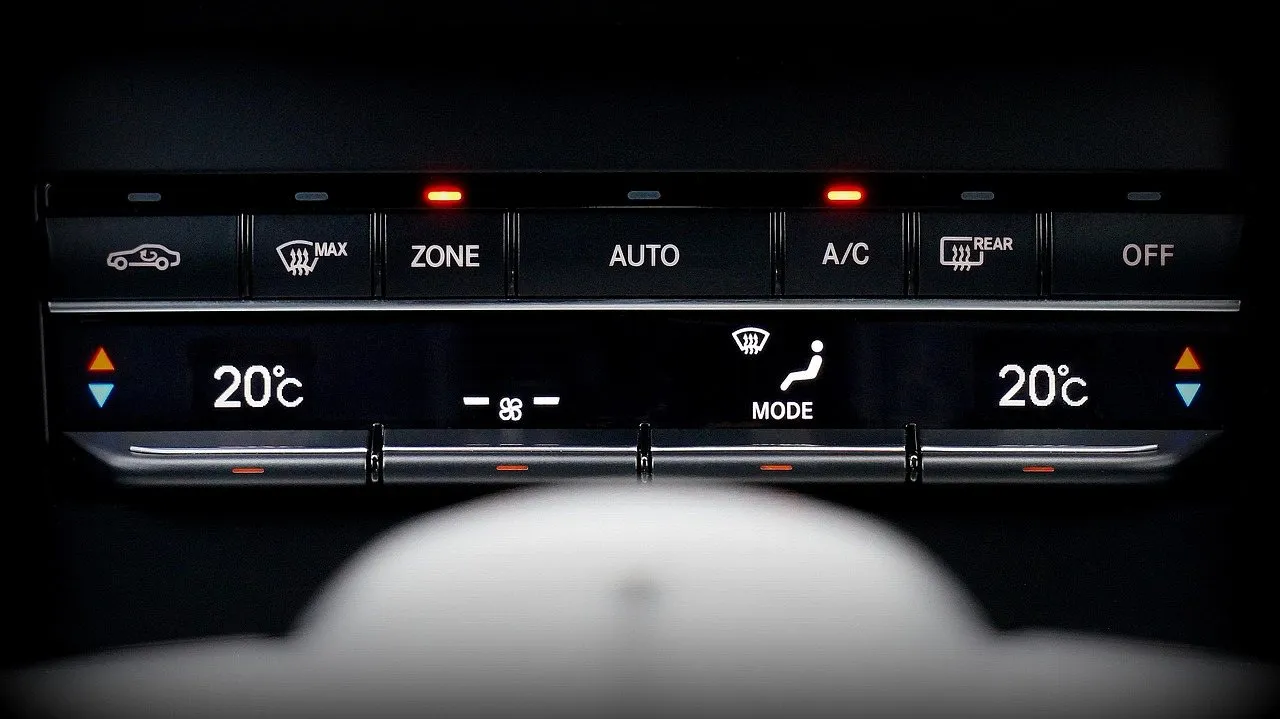
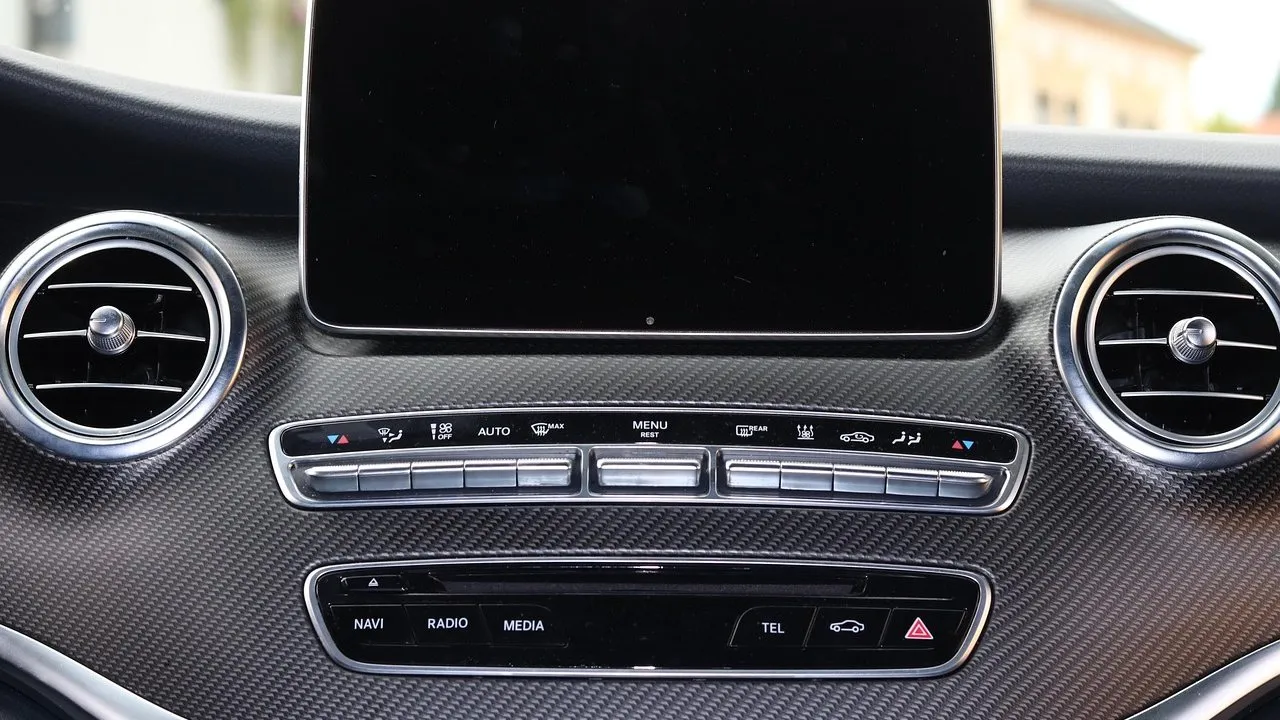
Climate controls, screens and sensors are covered by a bumper-to-bumper warranty but not by a powertrain warranty. Photo: VariousPhotography on Pixabay.
Does a bumper-to-bumper warranty cover the battery?
Often, for defects, but usually on its own terms. Many manufacturers cover the original 12-volt battery for a limited time and some prorate the coverage, so a battery that dies early may be replaced free or at a partial cost depending on its age. Hybrid and electric vehicles have separate warranties for their high-voltage batteries that run much longer than the basic warranty. Your warranty booklet lists the exact battery terms.
Does a bumper-to-bumper warranty cover tires?
Usually not. Most carmakers leave tires to the tire manufacturer's own warranty, which you claim through a tire dealer. A few brands, such as Cadillac, include tire manufacturing defects in their new vehicle coverage, but normal tread wear and road-hazard damage like nails and potholes are excluded either way.
Does a bumper-to-bumper warranty cover the windshield?
Only if the glass itself is defective, for example a leak around a factory seal or distortion in the glass. Chips and cracks from road debris are damage, not defects, so they aren't covered.
What a bumper-to-bumper warranty doesn't cover
Every new vehicle limited warranty has the same broad exclusions. Expect to pay for:
- Routine maintenance: oil changes, filters, tire rotations, alignments and fluid services
- Wear items: brake pads and rotors, wiper blades, clutch linings, bulbs and, in most cases, tires
- Damage: collisions, theft, vandalism, hail, flooding, road debris and fire
- Neglect and misuse: problems caused by skipped maintenance, racing, overloading or the wrong fluids
- Some aftermarket parts and modifications, when they cause the failure
That third point answers a common question: a bumper-to-bumper warranty does not cover a damaged bumper. Accident damage is a job for your car insurance, not your warranty. A warranty pays when a part fails on its own.
How long does a bumper-to-bumper warranty last?
Basic warranties are measured in years and miles, and they end at whichever limit you reach first. These are the terms for current models at several popular brands.
| Brand | Bumper-to-bumper (basic) warranty | Powertrain warranty |
|---|---|---|
| Hyundai, Kia, Genesis, Mitsubishi | 5 years / 60,000 miles | 10 years / 100,000 miles (original owner) |
| Audi, BMW | 4 years / 50,000 miles | Included in the basic warranty term |
| Cadillac, Lincoln | 4 years / 50,000 miles | 6 years / 70,000 miles |
| Ford, Chevrolet, Toyota, Honda | 3 years / 36,000 miles | 5 years / 60,000 miles |
Sources: Hyundai, Audi, BMW, Cadillac, Lincoln, Toyota, Honda and Chevrolet. Terms change by model year and model, so check the booklet for your exact car.
Does a bumper-to-bumper warranty transfer to a new owner?
Usually yes. Basic warranties normally stay with the car when it is sold, and BMW, for example, states that its new vehicle limited warranty applies to every later owner. What a used-car buyer gets is whatever time and mileage are left, counted from the date the car was first sold. A three-year-old Ford or Toyota with 36,000 miles has typically reached the end of its basic coverage.
Bumper-to-bumper vs powertrain warranty
A new car comes with both, and they work as a pair: one covers almost everything for a shorter time, the other covers the most expensive parts for longer.
| Bumper-to-bumper warranty | Powertrain warranty | |
|---|---|---|
| What it covers | Nearly all parts against defects, including electronics, A/C, steering and suspension | Engine, transmission and drive system only |
| Typical length | 3 to 5 years, 36,000 to 60,000 miles | 5 to 10 years, 60,000 to 100,000 miles |
| What you're protected from | Frequent mid-size bills: screens, sensors, A/C, power accessories | Rare but very large bills: engine and transmission failures |
The gap between them is where many owners get caught. Once the basic warranty ends, the engine and transmission may still be covered, but a failed A/C compressor or infotainment screen is now your expense. Our guide to what a powertrain warranty covers explains that side in detail.
What happens when your bumper-to-bumper warranty ends?
For most brands that moment comes at 3 years or 36,000 miles, often well before the car is paid off. From then on, defects outside the powertrain are yours to fix. You have three realistic choices:
- Pay repairs yourself and keep an emergency fund for them. This works best on a reliable model with simple electronics.
- Buy the manufacturer's extended plan through a dealer, usually available until the factory warranty or a mileage limit runs out.
- Buy a vehicle service contract from an independent provider. The most complete plans, often called exclusionary plans, cover most mechanical and electrical parts and list only what is excluded, which is the closest thing to keeping bumper-to-bumper protection. An eligible repair may be covered depending on the contract's terms, exclusions and deductible.
Our extended car warranty guide compares powertrain, mid-level and complete plans side by side, including what each typically covers and costs.
Want to keep near bumper-to-bumper protection after your factory warranty ends? Request a free quote from Vertex AutoCare and our team will contact you with plan options and prices for your car. Every plan comes with a 30-day money-back guarantee.
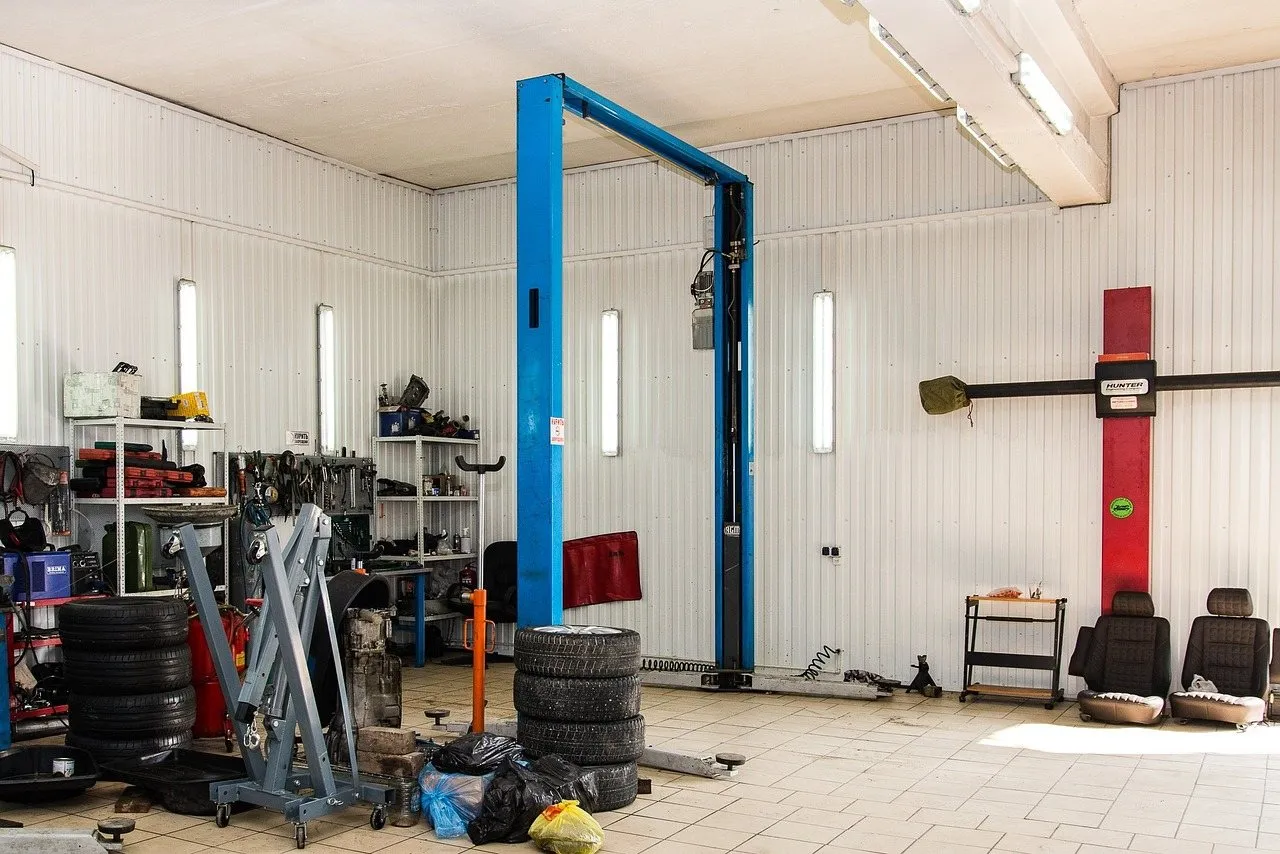
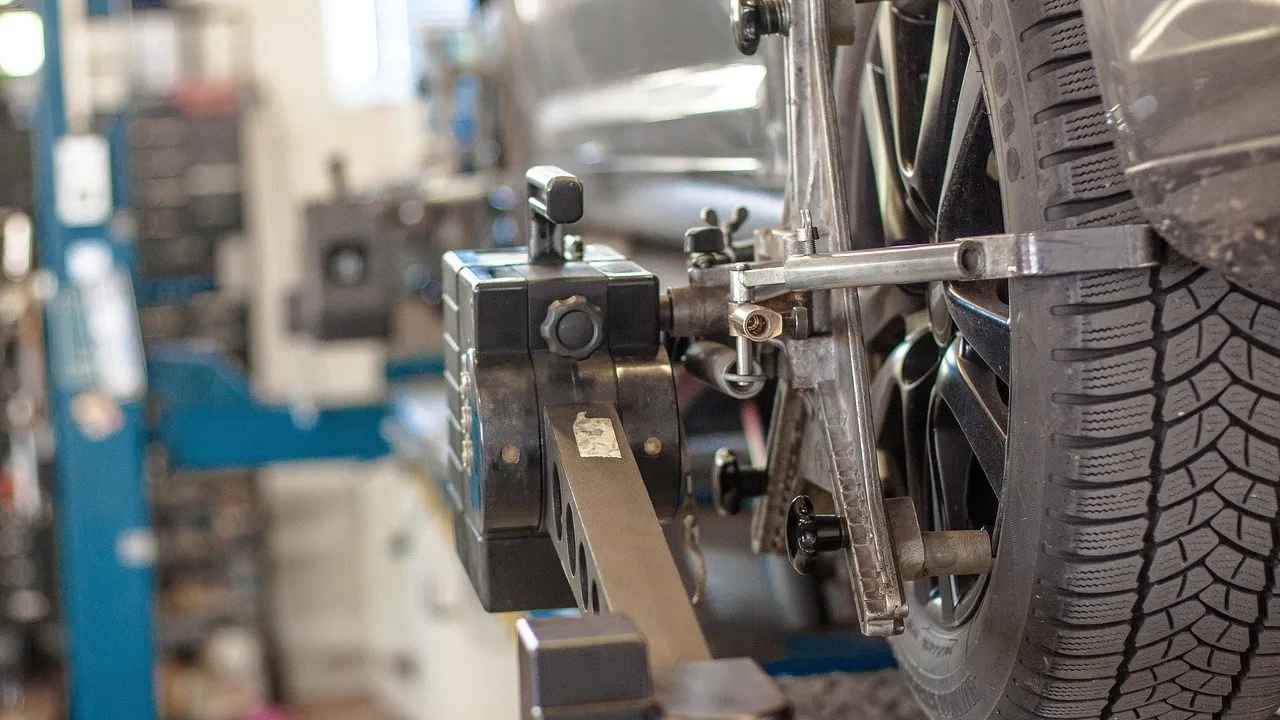
After the basic warranty ends, repairs to electronics, A/C and suspension are paid out of pocket unless you have other protection. Photo: autotop_service on Pixabay.
Is an extended bumper-to-bumper warranty worth it?
It depends on the car and on how you would handle a surprise bill. Complete coverage costs more than a powertrain plan, so it tends to make the most sense on cars with costly electronics, luxury and European models, and for owners who plan to keep the car well past its factory warranty. We work through the math, and when it isn't worth it, in are extended car warranties worth it?
Timing matters
The most complete plans usually have the strictest age and mileage limits, so they are easiest to get while the car is young. If your basic warranty ends within the next few months, that is the best time to compare options. Buying a used car instead? Our guide to extended warranties for used cars covers what to check first.
How to use your bumper-to-bumper warranty
- Act early. Have a warning light, strange noise or failing feature checked while you are still within the time and mileage limits.
- Go to a franchised dealer for that brand. Factory warranty repairs are done at authorized dealers.
- Describe the problem clearly and ask the service advisor to confirm it is being handled as a warranty claim.
- Keep your maintenance records. Receipts show the failure wasn't caused by neglect.
- Get it in writing if a claim is denied, including the reason, so you can appeal to the manufacturer.
Frequently asked questions
Does a bumper-to-bumper warranty cover the bumper?
Not if it is damaged. A bumper-to-bumper warranty covers defects, so a bumper cracked in a collision or a parking-lot bump is a car insurance claim. It would only cover the bumper if a part failed because of a manufacturing defect.
How long is a bumper-to-bumper warranty?
Most often 3 years or 36,000 miles. Luxury brands such as Audi, BMW, Cadillac and Lincoln offer 4 years or 50,000 miles, and Hyundai, Kia, Genesis and Mitsubishi offer 5 years or 60,000 miles, whichever comes first.
Does a bumper-to-bumper warranty cover oil changes?
No. Routine maintenance such as oil changes, filters and tire rotations is never part of a warranty. Some brands include free scheduled maintenance for a short period as a separate program.
What is the difference between bumper-to-bumper and an extended warranty?
A bumper-to-bumper warranty comes with a new car at no extra cost. An extended warranty, legally a vehicle service contract, is an optional contract you buy to keep protection after the factory warranty ends. The most complete service contracts work much like a bumper-to-bumper warranty but have their own terms, exclusions and deductible.
Can I extend my bumper-to-bumper warranty?
Yes, either with the manufacturer's own extended plan from a dealer or with a vehicle service contract from an independent provider. Options are widest before the original warranty expires.
This guide gives general information about bumper-to-bumper warranties as of October 2026. Warranty terms vary by manufacturer, model and model year, and service contract coverage depends on the specific contract, its covered parts, exclusions and deductible. A vehicle service contract is not insurance. Cover photo: Jan2575 on Pixabay.