
A drivetrain warranty covers the parts that carry power from the engine to the wheels: the transmission, driveshaft, axles, CV joints, differentials and, on four-wheel-drive vehicles, the transfer case. The one part it usually does not cover is the engine itself. That is the whole difference from a powertrain warranty, which covers the same parts plus the engine.
This guide explains what the drivetrain is, exactly which parts a drivetrain warranty covers and excludes, how it compares with powertrain and bumper-to-bumper coverage, and what these repairs cost when no warranty applies. If your factory coverage is ending, you can request a free quote and our team will contact you with plan options for your car.
What is a drivetrain?
The drivetrain is everything between the engine and the road. The engine creates the power; the drivetrain delivers it. Which parts that includes depends on how your car is built.
| Layout | Main drivetrain parts |
|---|---|
| Front-wheel drive | Transaxle (transmission and differential in one case), two axle shafts, CV joints |
| Rear-wheel drive | Transmission, driveshaft, universal joints, rear differential, axle shafts |
| All-wheel / four-wheel drive | All of the above plus a transfer case and a second differential |
These are heavy, precisely machined parts that run under constant load. They fail less often than small electrical parts, but when they do, the repair bill is one of the largest a car can produce.
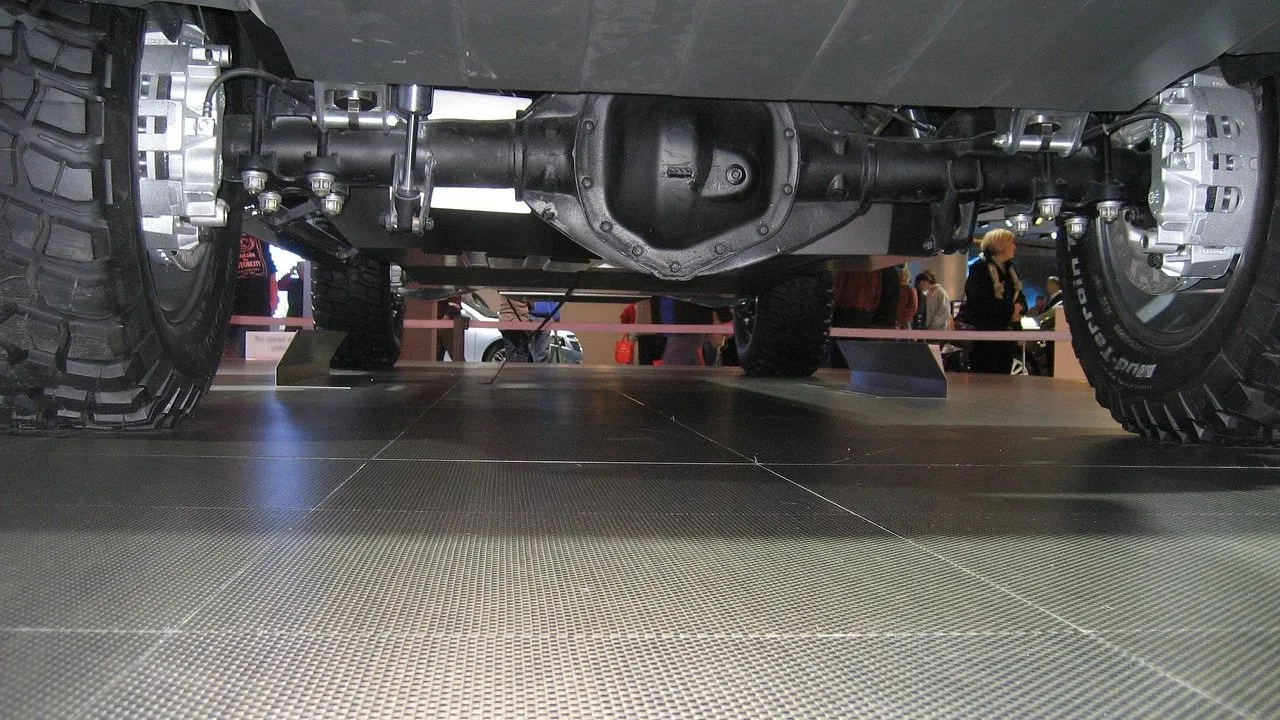
The axles, differential and transfer case under a four-wheel-drive truck are all drivetrain parts. Photo: 12019 on Pixabay.
What does a drivetrain warranty cover?
A drivetrain warranty pays to repair or replace drivetrain parts that fail because of a defect in materials or workmanship. In a typical contract or factory booklet, that means:
- Transmission or transaxle: the case and the internal parts, including the torque converter on automatics
- Driveshaft and its universal joints
- Axle shafts and CV joints, which bend power around the steering and suspension
- Differentials, the gearsets that let the wheels turn at different speeds in corners
- Transfer case on all-wheel-drive and four-wheel-drive vehicles
- The seals and gaskets that keep those parts in oil
The exact list always comes from the specific warranty booklet or service contract, not from the name on the cover. Two documents called "drivetrain coverage" can differ in what they include, so the parts list and the exclusions are the pages worth reading.
Does a drivetrain warranty cover the engine?
Usually not, and this is the question that catches most people. By the common definition, the drivetrain is everything after the engine, so a drivetrain warranty stops where the engine begins. If you want the engine covered too, you need powertrain-level coverage. A few sellers use the two words loosely, which is one more reason to check the covered-parts list rather than trust the label.
Does a drivetrain warranty cover the transmission?
Yes. The transmission is the heart of every drivetrain warranty, including automatics, manuals and CVTs. Wear parts attached to it are a different matter: the clutch disc on a manual car wears out with normal driving, so it is almost always excluded.
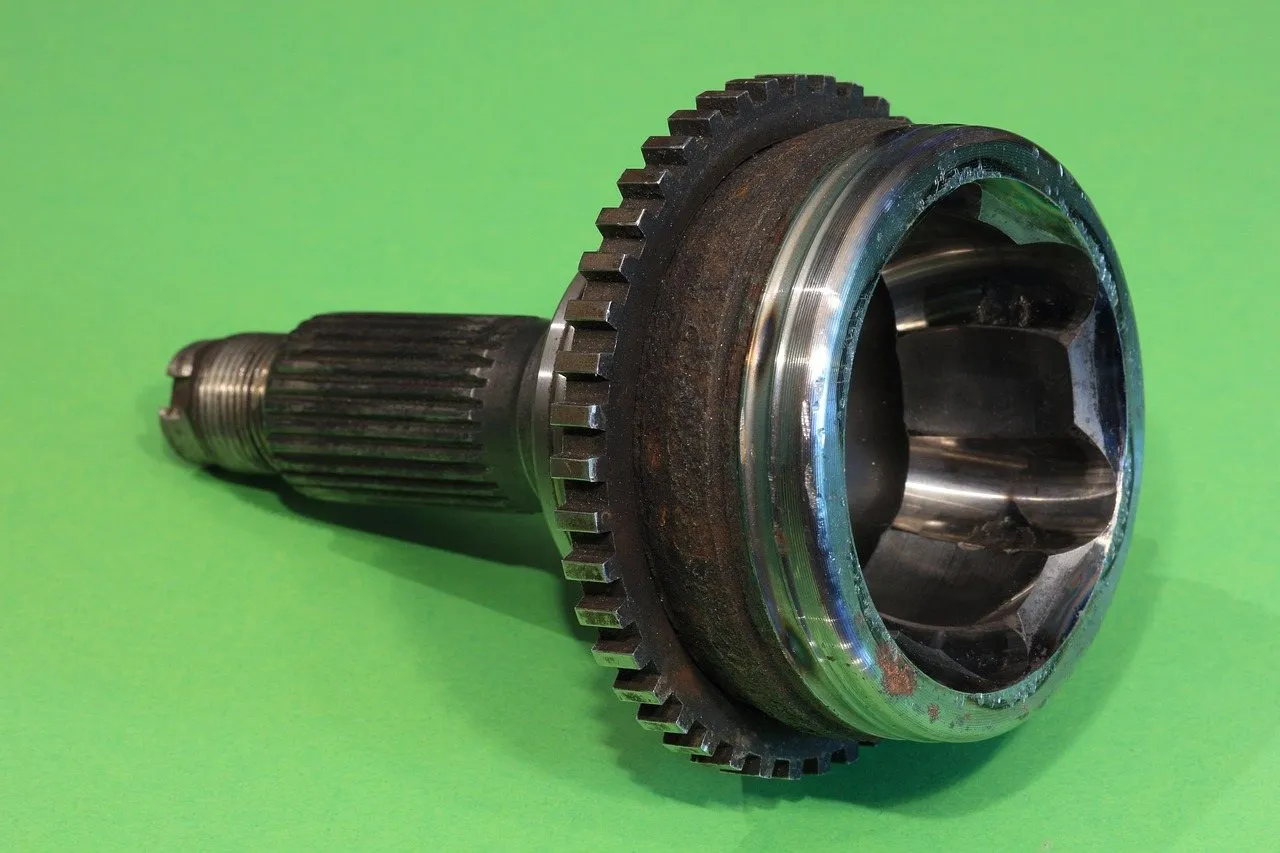
A CV joint from a front-wheel-drive axle. The joint is usually covered; its rubber boot is often treated as a wear item. Photo: 2427999 on Pixabay.
What a drivetrain warranty doesn't cover
Like every warranty, drivetrain coverage is about defects, not upkeep or damage. Expect these exclusions:
- The engine and everything bolted to it
- Wear items: clutch discs, CV joint boots, fluids and filters
- Routine maintenance, such as transmission fluid and differential oil services
- Damage from accidents, off-road abuse, overloading, towing beyond the rated limit or racing
- Neglect: failures caused by skipped fluid changes or driving on a known problem
- Everything outside the drivetrain: brakes, suspension, steering, air conditioning and electronics, which belong to bumper-to-bumper coverage
Maintenance records matter here. A denied transmission claim is very often about missed fluid services, so keep every receipt.
Drivetrain vs powertrain warranty
The two names are close enough to cause real confusion, and the difference is exactly one component.
| Drivetrain warranty | Powertrain warranty | |
|---|---|---|
| Transmission, driveshaft, axles, differentials, transfer case | Covered | Covered |
| Engine | Not covered | Covered |
| Typical use | Some used-car and dealer plans | Factory warranties and most service contracts |
Factory warranties from carmakers are almost always powertrain warranties: Ford, Chevrolet, Toyota and Honda cover the engine and drivetrain together for 5 years or 60,000 miles, and Hyundai, Kia, Genesis and Mitsubishi for 10 years or 100,000 miles for the original owner. Our guide to what a powertrain warranty covers has the full brand table. Drivetrain-only coverage mostly appears on used-car lots and in some lower-priced service contracts, which is why checking for the engine on the covered-parts list matters most when buying a used car. Our guide to extended warranties for used cars covers that purchase step by step.
What drivetrain repairs cost without a warranty
Drivetrain failures are exactly the bills people buy protection for. A transmission repair averages about $3,000, and a replacement can go well past that on many models. Driveshaft, axle and differential work commonly runs from several hundred to a few thousand dollars depending on the vehicle, and transfer case repairs on four-wheel-drive trucks sit at the expensive end. Our car repair cost guide shows how these compare with other common repairs.
That is the math behind drivetrain coverage: the parts rarely fail, but a single failure can cost more than several years of protection.
Keeping drivetrain protection after the factory warranty ends
When the factory powertrain warranty runs out, a vehicle service contract can keep the same parts protected. Plans come in levels:
- Powertrain plans cover the engine plus the whole drivetrain, which is the protection most drivers mean when they ask for drivetrain coverage.
- Mid-level plans add air conditioning, electrical, steering and brake components.
- Complete plans cover most mechanical and electrical parts and list only the exclusions.
An eligible repair may be covered depending on the contract's covered parts, exclusions and deductible, so the parts list is always the page to read first. Our extended car warranty guide compares the levels side by side.
Want drivetrain protection for your car? Request a free quote from Vertex AutoCare and our team will contact you with plan options and prices. Every plan comes with a 30-day money-back guarantee.
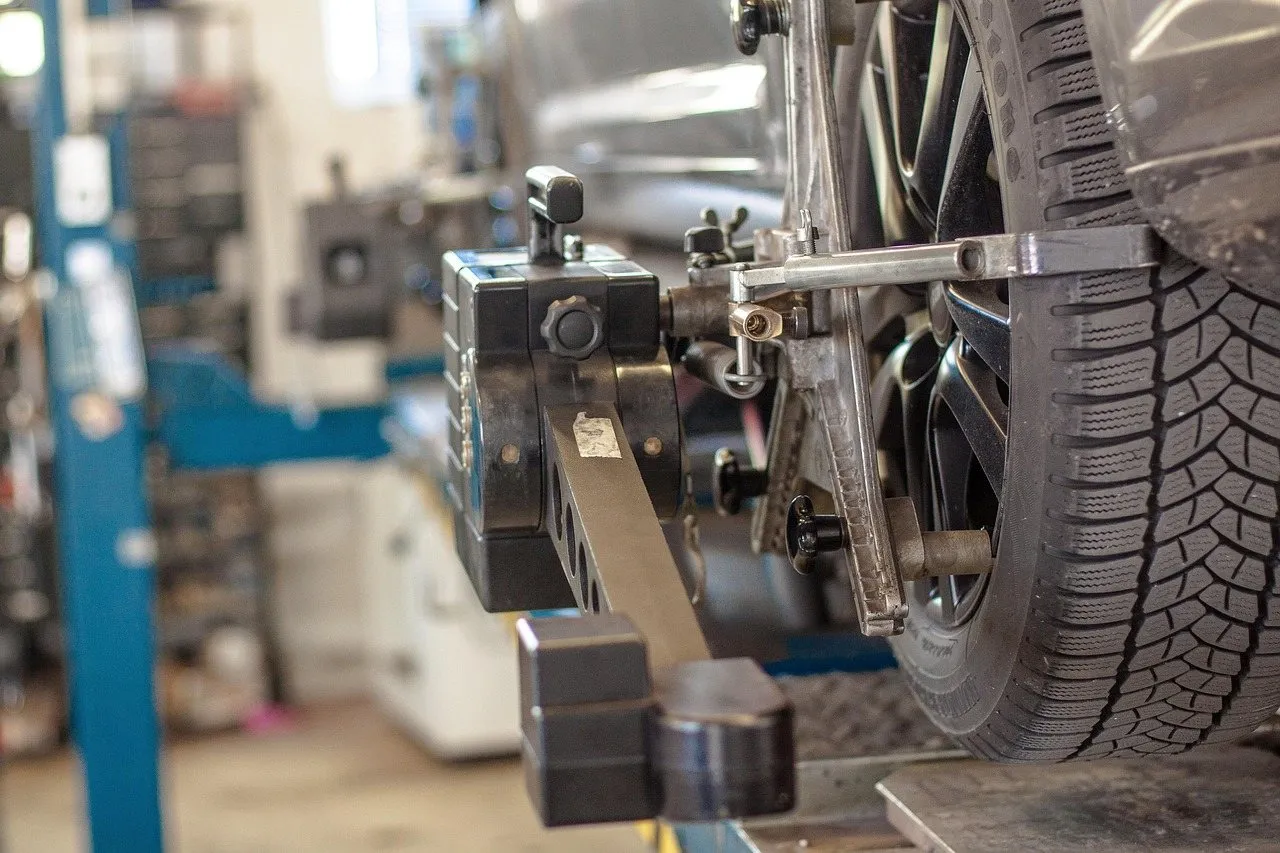
Axle and hub work on a lift. Drivetrain repairs are labor-heavy, which is a large part of their cost. Photo: delphinmedia on Pixabay.
Frequently asked questions
What does drivetrain warranty mean?
It means coverage for the parts that deliver engine power to the wheels: the transmission, driveshaft, axles, CV joints, differentials and transfer case. It pays for repairs when one of those parts fails from a defect, subject to the warranty's terms, and it does not include the engine.
Is a drivetrain warranty worth it?
It depends on what it costs you and what it leaves out. Because the engine is excluded, a drivetrain-only plan should cost noticeably less than a powertrain plan. For many drivers the small extra cost of powertrain-level coverage is worth it, since engine failures are among the most expensive repairs a car can have.
Does a drivetrain warranty cover CV joints and wheel bearings?
CV joints are normally covered as axle components, though their rubber boots are often excluded as wear items. Wheel bearings vary by contract: some list them under the drivetrain, others under the chassis, so check the covered-parts list.
Does a drivetrain warranty cover 4x4 parts?
Yes, on all-wheel-drive and four-wheel-drive vehicles the transfer case and both differentials are standard drivetrain parts. Damage from off-road abuse or overloading is still excluded.
Is the clutch covered by a drivetrain warranty?
The hydraulic parts that operate the clutch may be, but the clutch disc itself wears out with normal use and is excluded by almost every warranty and service contract.
This guide gives general information about drivetrain warranties as of October 2026. Factory warranty terms vary by manufacturer, model and model year, and service contract coverage depends on the specific contract, its covered parts, exclusions and deductible. A vehicle service contract is not insurance. Cover photo: 12019 on Pixabay.