
A new Hyundai comes with a 5-year/60,000-mile New Vehicle Limited Warranty and a 10-year/100,000-mile Powertrain Limited Warranty, whichever limit you reach first. The 10-year powertrain coverage is the headline, but it has a catch most owners only discover when they try to sell: it belongs to the original owner and does not transfer. Later owners get 5 years or 60,000 miles instead.
This guide covers what each Hyundai warranty actually includes, what it excludes, how the transfer rule works, how Kia and Genesis compare, and what your options are once coverage ends. Every figure here comes from Hyundai's own 2026 warranty handbook.
Hyundai warranty coverage at a glance
| Warranty | Original owner | Later owners |
|---|---|---|
| New Vehicle Limited Warranty (bumper-to-bumper) | 5 years / 60,000 miles | 5 years / 60,000 miles |
| Powertrain Limited Warranty | 10 years / 100,000 miles | 5 years / 60,000 miles |
| Anti-perforation (rust-through) | 7 years / unlimited miles | 7 years / unlimited miles |
| Roadside assistance | 5 years / unlimited miles | 5 years / unlimited miles |
Source: Hyundai 2026 Owner's Handbook and Warranty Information. Terms vary by model year and some models, including hybrids and electric vehicles, carry separate battery and drive-system coverage. Check the handbook that came with your specific car.
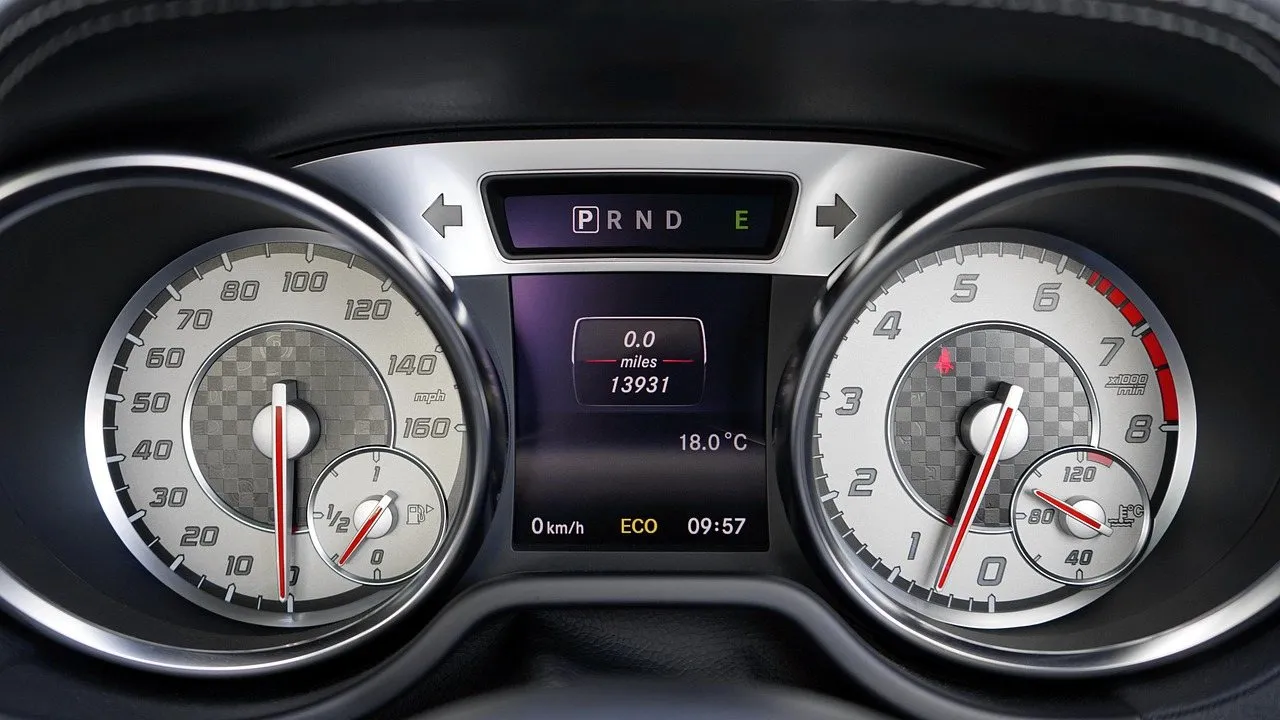
Both clocks start the day the car is first sold: years from the in-service date, miles from the odometer. Photo: eak_kkk on Pixabay.
What the Hyundai bumper-to-bumper warranty covers
The New Vehicle Limited Warranty is the broad one. For 5 years or 60,000 miles it repairs almost any part that fails because of a defect in materials or workmanship, including the air conditioning, infotainment screen, power windows, sensors, steering and suspension components.
This is the warranty that matters most day to day, because the parts it protects are the ones that fail most often on a modern car. It is also the one that runs out first. Our guide to what a bumper-to-bumper warranty covers explains the category in full.
What the Hyundai powertrain warranty covers
The Powertrain Limited Warranty runs 10 years or 100,000 miles for the original owner and covers the parts that move the car: the engine and its internal lubricated parts, the transmission or transaxle, and the drive system including axle shafts and the transfer case on all-wheel-drive models.
It does not cover anything outside that list. Once your bumper-to-bumper coverage ends at 60,000 miles, a failed alternator, air conditioning compressor or infotainment unit is your bill even though the engine is still protected for another 40,000 miles. Our guide to what a powertrain warranty covers goes through the parts list.
Is the Hyundai 10-year warranty transferable?
No. Hyundai's handbook states plainly that the Powertrain Limited Warranty is not transferable to any subsequent owner. If you buy a used Hyundai, your powertrain coverage is 5 years or 60,000 miles from the date the car was first sold, not 10 years.
One exception is worth knowing: if the car was first put into service as a lease vehicle and the lessee buys it at the end of the lease, the 10-year/100,000-mile powertrain coverage stays in effect for them.
This catches people out constantly. A three-year-old Hyundai advertised with "America's best warranty" may have very little coverage left for you as the second owner. If you are shopping used, our guide to extended warranties for used cars covers what to check before you sign.
What Hyundai's warranty does not cover
Like every manufacturer warranty, Hyundai's covers defects, not upkeep or damage. Expect to pay for:
- Routine maintenance: oil changes, filters, fluids, tire rotations and alignments
- Wear items: brake pads and rotors, wiper blades, clutch linings and bulbs
- Tires, which are covered by the tire manufacturer's own warranty
- Damage from accidents, weather, road debris, misuse or racing
- Neglect: failures traced to skipped maintenance or driving on a known fault
Keep your service receipts. Maintenance records are the single most common reason a powertrain claim is approved or denied, particularly late in a 10-year term.
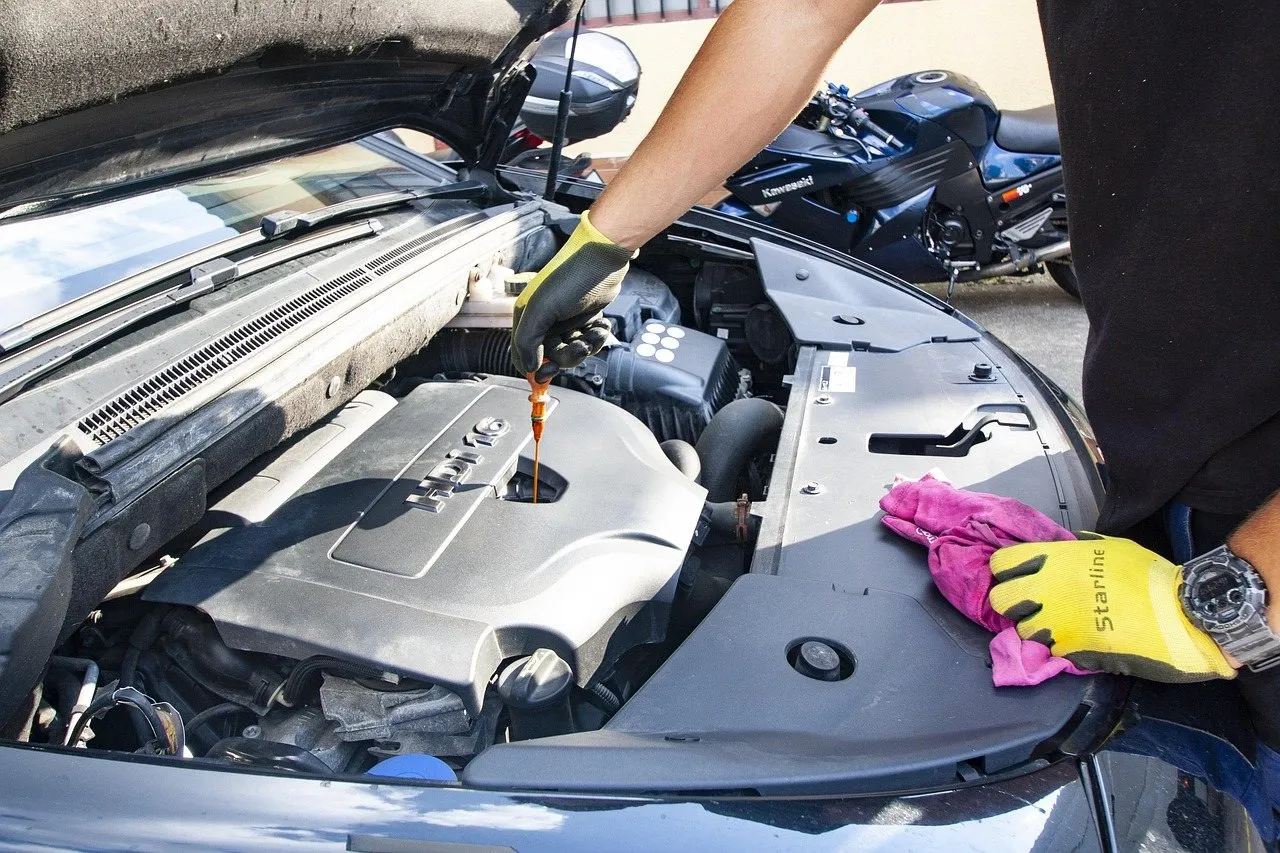
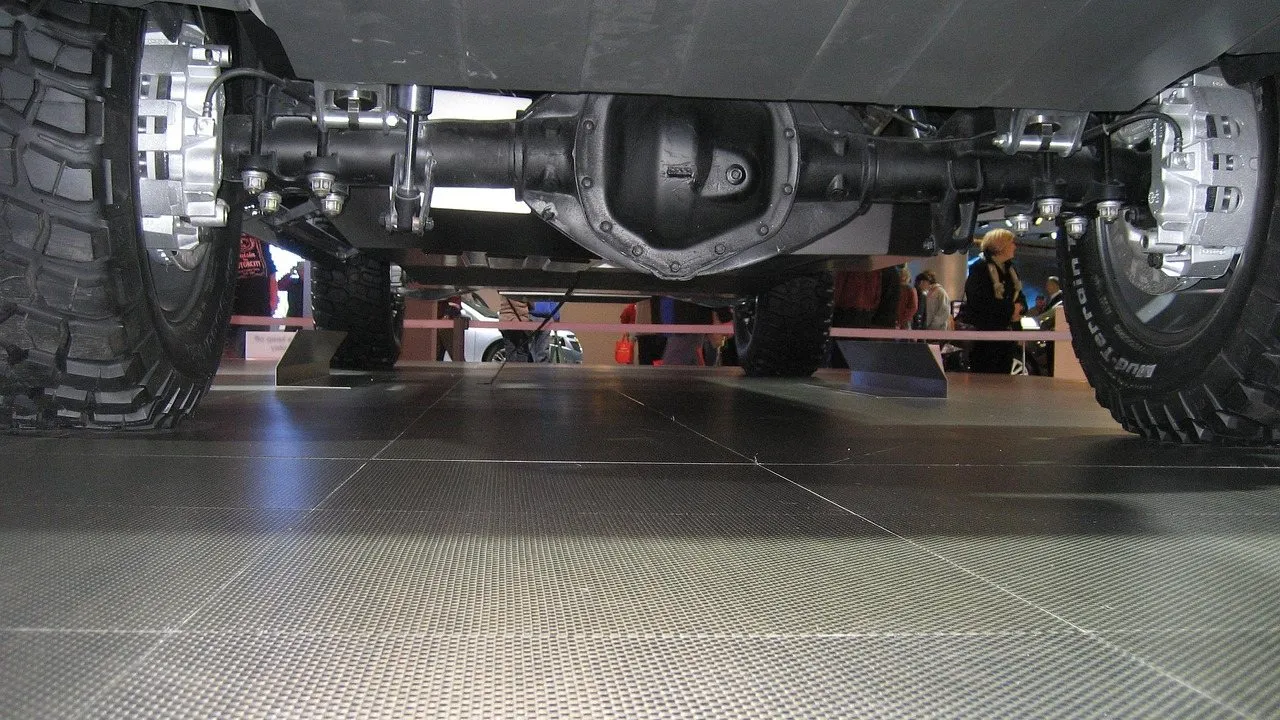
Hyundai requires the car to be maintained on schedule. Receipts are your evidence if a claim is questioned. Photo: Skica911 on Pixabay.
How Hyundai compares with Kia and Genesis
The three brands share an ownership group and publish the same headline terms. Kia's owner site lists a 10-year/100,000-mile limited powertrain warranty and a 5-year/60,000-mile limited basic warranty, matching Hyundai. Kia's warranty manuals have historically tied the longer powertrain term to the original owner in the same way, so second-hand buyers should confirm the terms in the booklet for their model year.
Against the wider market, the gap is real. Ford, Chevrolet, Toyota and Honda typically offer 3 years/36,000 miles bumper-to-bumper and 5 years/60,000 miles powertrain. Hyundai's basic warranty lasts two years longer and its powertrain coverage, for the first owner, twice as long. At the other end of the scale, our Volkswagen warranty guide covers a brand that publishes no separate powertrain term at all.
When your Hyundai warranty ends
Two moments matter, and they are years apart.
At 5 years or 60,000 miles the bumper-to-bumper coverage stops. This is when most owners first feel it, because electrical faults, air conditioning problems and suspension wear tend to arrive around this age, and none of them is a powertrain part.
At 10 years or 100,000 miles, or at 60,000 miles if you bought the car used, the powertrain coverage stops too. From then on an engine or transmission failure is entirely yours. A transmission repair averages about $3,000 and engine work can run far higher, as our car repair cost guide shows.
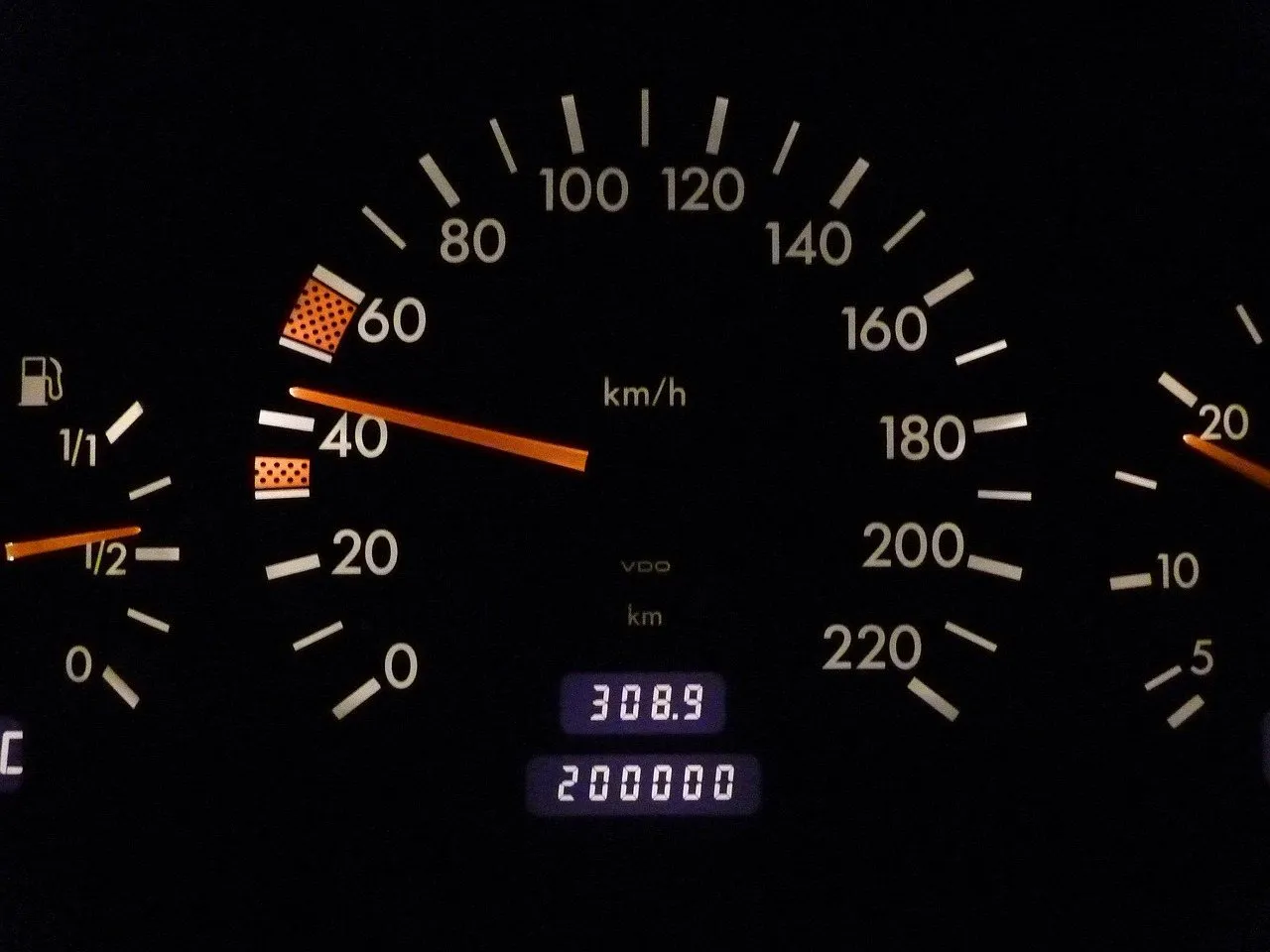
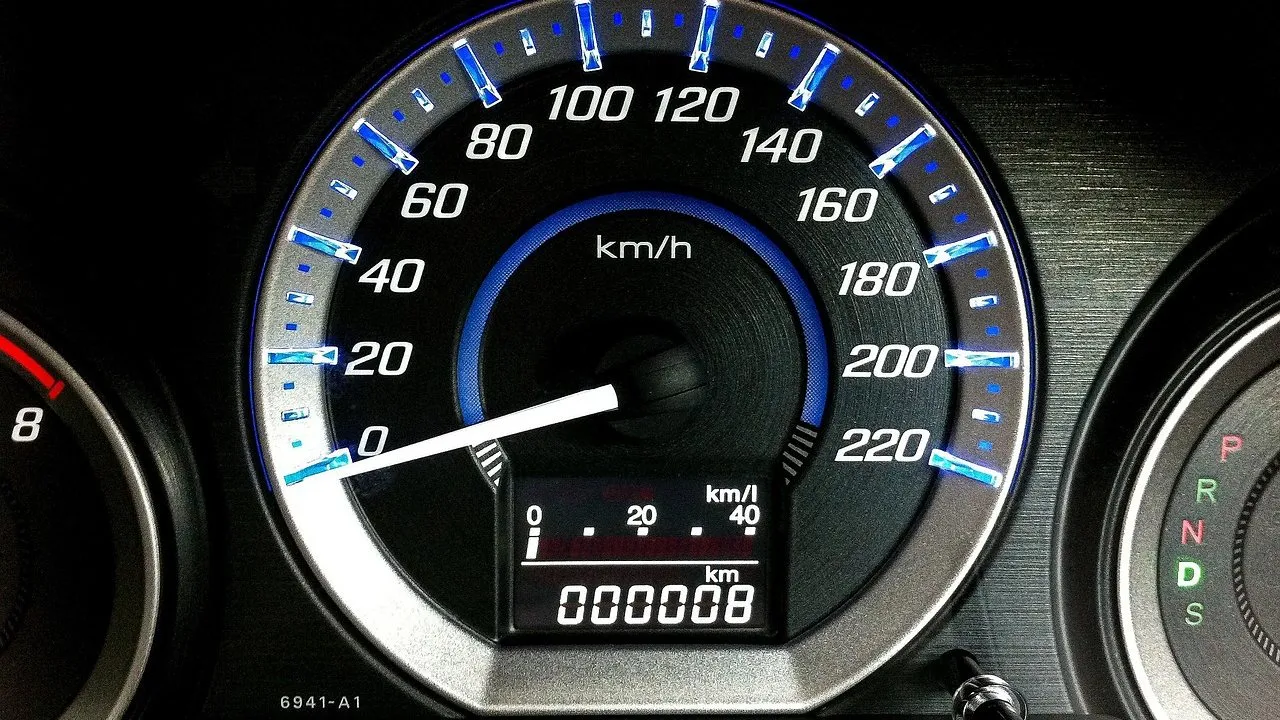
Past 100,000 miles a Hyundai has no factory coverage left, whichever warranty you started with. Photo: LoggaWiggler on Pixabay.
At either point you have the same three choices: pay repairs from savings, buy Hyundai's own extended plan through a dealer, or buy a vehicle service contract from an independent provider. An eligible repair may be covered depending on the contract's covered parts, exclusions and deductible, so the parts list is the page to read before you buy. Our extended car warranty guide compares the plan levels side by side.
Coverage options are widest while the car is younger and under 100,000 miles, so the months before your bumper-to-bumper warranty expires are the best time to compare. Request a free quote from Vertex AutoCare and our team will contact you with plan options and prices for your Hyundai. Every plan comes with a 30-day money-back guarantee.
Frequently asked questions
How long is the Hyundai warranty?
Five years or 60,000 miles for bumper-to-bumper coverage, and 10 years or 100,000 miles for powertrain coverage if you are the original owner. Rust-through protection runs 7 years with unlimited miles.
Does the Hyundai warranty cover oil changes?
No. Oil changes, filters, fluids and other scheduled maintenance are the owner's responsibility. Hyundai has at times offered separate complimentary maintenance programmes on new vehicles, which are not part of the warranty.
Does the Hyundai warranty transfer to a second owner?
The bumper-to-bumper, rust-through and roadside coverage transfer with the car. The 10-year powertrain warranty does not: later owners get 5 years or 60,000 miles from the car's original in-service date.
Does the Hyundai warranty cover the battery?
The 12-volt battery is covered on its own limited terms rather than for the full warranty period. Hybrid and electric Hyundais carry separate, much longer coverage for the high-voltage battery. Check your handbook for the exact figures on your model.
Can I extend my Hyundai warranty?
Yes. Hyundai sells extended protection through its dealers, and independent providers sell vehicle service contracts that continue coverage after the factory warranty ends. Options are widest before the original warranty expires.
This guide describes Hyundai's published US warranty terms as of October 2026. Terms vary by model, model year and market, and the warranty booklet supplied with your vehicle governs your coverage. Service contract coverage depends on the specific contract, its covered parts, exclusions and deductible. A vehicle service contract is not insurance. Vertex AutoCare is not affiliated with Hyundai Motor America. Cover photo: eak_kkk on Pixabay.